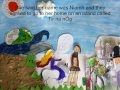
Today, a text about a calamity, accompanied by exercises. Below the text and exercises in English, you have the same text and exercises in Spanish.
Hoy, un texto sobre una calamidad acompañado por ejercicios. Debajo del texto y los ejercicios en inglés, tienes el texto y los ejercicios en español.
Baguios
As a child I lived in Manila. There were only two seasons
there, the wet and the dry. During the wet season there were baguios. Baguio
was the local word for a tropical typhoon
or cyclone. And when there was going to be a storm of this sort, we were warned
by sirens that there would be one. I remember being at school when a first
siren would screech frightfully all over the city. At that first sound my
classmates and I would let out a screech too. We were rapidly silenced by our
teacher, but the mood had changed as we concentrated more on awaiting a second
siren than on the lesson that was being taught. And if the second screech got
to tear through the air, we shouted again ourselves in answer, and we wiggled
in our seats all the while expecting a third call. This third call would mean
classes were over, and we would be sent home. And when it came, we yelled with
delight and immediately packed our books and pencilboxes into our schoolbags
and rapidly formed a line and marched off in a row to the auditórium, where we
were to wait for someone from our family to fetch us. This would happen quickly
too, for many parents and nannies were already driving back and forth around
the school since the first siren had sounded. There was traffic, but we got home
as fast as possible, drawing hearts and stars on the steamy car windows and
watching them melt in the rain. Our cousin Jessica was in our car with us, with
my sisters and me. And only a few minutes after we got home, my brother and her
brothers would arrive too, from their school, bringing suitcases with their
clothes and things their mother had prepared beforehand for her kids so they could stay over with us. Our
cousins always spent storms with us, because that way, when the lights went out
for days and there was no electricity and therefore no television we could amuse ourselves playing
table games and reading and painting and doing crafts in their company. I remember my grandmother
pacing back and forth in the glass- covered terrace as she waited for her
grandchildren to reach the safety of her solid home, with our maids scurrying
around her readying hurricane lamps and dragging huge demijohns of safe
drinking water into the house. They lived in an apartment next to the garage,
but when there was a typhoon, they would move in with us upstairs, and sleep with us in our
bedrooms on the second floor of our house, in case the ground floors got
flooded, which fortunately never happened because you had to climb a few stairs to get to
them. And then, while lunch was being prepared, we watched from the covered terrace how cars would rush splashing
through water that was accumulating very swiftly and how a few daring people
would walk, in their raincoats and with or without practically useless
umbrellas, through a tide that was about
to reach their knees, heading for the little Chinese sari-sari stores to buy
last minute stuff they lacked and might need, such as batteries and matches.
And soon we saw our garden flooded, and some of the shorter bushes covered and
the weaker vines falling, and out in the streets, a man actually sailing by
rowing a canoe to our wonder. And just as we had prayed we would hear three
sirens so there would be no school, we now prayed there would not be a fourth or
a fifth siren so there would be no grave damages.
I – True or false. Explain all your answers, basing them on
evidence from the text.
1. As a child, the author lived in Hong Kong.
2. Sirens sounded to alert people that there would be a
typhoon. The more times they sounded, the worse it would be.
3. Schoolchildren wanted four sirens to sound so school
would be over.
4. The author and her friends lived in the same house
during typhoons.
5. So as not to be bored, everyone watched television while
it rained.
6. Little stores that belonged to Chinese people sold last minute
essentials.
7. Umbrellas were not of much use because of the wind and
the very heavy rain..
8. The children played in the garden, sailing in canoes.
9. Precautions were taken to avoid problems.
10. The sound of a fifth siren could mean there could be serious damages
II – Match these words with their meanings:
_____1. baguio a. not strong
_____2. maid b. brave and bold
_____3.wiggle c. entertain
_____4. pack d. typhoon
_____5. sail e. inundate
_____6. daring f. squirm, move like a
worm
_____7. sari-sari g. a small store that
sells groceries and other essential stuff.
_____8. amuse h. a female servant
_____9. melt i. navigate
_____10. flood j. put inside a bag or
another container so as to transport.
_____11. delight k. make happy
_____12. weak l. dissolve
III – Fill in the blanks with these words: children, flirting, escaping, hands, floatie, legs,
drown, foolish
Bill was sitting with his _____________ within his club´s
swimming pool enjoying a piña colada. There were three ______________ in
the pool. One was about two or three years old and didn’t know how to swim. He
was floating about with a _____________, which is an inflatable ring that keeps
those who wear it above water. One of the other two kids, accidentally or not,
pulled off the clasp or fastener that kept the air inside the floatie. Bill saw
the air was _____________ from the floatie and that the little kid would soon
sink and possibly ____________. He was a very good swimmer, and in truth, all he
would have had to do to help the little kid was stretch out an arm and get hold
of him. But Bill held a grudge* against the ____________ lifeguard who worked
at his club. So instead of reaching out for the child, he began to look around
for the irresponsible lifeguard who was nowhere near where he should have been,
but by the bar ___________ with a pretty girl. Bill thought that if the child did drown, the
lifeguard would certainly be fired.So he
rubbed his ___________ instead of reaching out for the child.
*To hold a grudge against someone is to persistently hate that someone
for something that has happened or that he or she has done to you.
IV – If you have experienced a natural disaster, tell us
about it. If you haven’t but have been in an accident or seen one, or heard about one, tell us
about this instead. You can tell us by writing about this or just speaking
about it.
V - Make a list of all the precautions people took to avoid problems according to the text. There are quite a few.
De niña, yo vivía en Manila. Sólo había dos estaciones ahí, la húmeda y la seca. Durante la húmeda podía haber baguios. Baguio es el nombre que se da allí a los tifones o ciclones tropicales. Y cuando iba a haber una tormenta de este tipo sonaban sirenas que nos advertían de lo que se aproximaba. Recuerdo estar en clase cuando una primera sirena gritaba espantosamente para alertarnos. Ese primer sonido hacía que mis compañeras y yo gritásemos también. Nuestra maestra nos callaba rápidamente, pero el ambiente había sido alterado y ya no nos concentrábamos en la lección, sino en escuchar por si una alarma volvía a sonar. Y si una segunda sirena rasgaba el aire, volvíamos a gritar nosotras también, y ya apenas podíamos mantenernos quietas, retorciéndonos en los asientos de nuestros pupitres mientras deseábamos que hubiese un tercer aviso. Y si este llegaba, gritábamos con alegría porque significaba que se suspendían las clases y nos íbamos a casa. Metiamos estuches y libros rápidamente en nuestras mochilas y formábamos una fila y marchábamos hasta el auditorio, donde esperábamos que nos recogiese alguien de nuestra familia. Esto también pasaba enseguida, porque muchos de nuestros padres y/o niñeras ya estaban dando vueltas alrededor del colegio desde que sonó la primera sirena. Había tráfico, pero llegábamos a casa tan rápidamente como era posible, pintando corazones y estrellas en el vapor de los cristales de las ventanas del coche y viendo como se disolvían en la lluvia. Nuestra prima, María Jesús, estaba conmigo y mis hermanas en el coche. Y sólo unos minutos después de que llegásemos a nuestra casa llegaban también de su colegio mi hermano y los hermanos de mi prima, trayendo con ellos maletitas que su madre había preparado de antemano para que pudiesen pasar la tormenta con nosotros. Nuestros primos siempre pasaban las tormentas con nosotros, porque así, cuando se iba la luz y no había electricidad y por lo tanto nada de televisión, podíamos entretenernos jugando a juegos de mesa, leyendo en alto, dibujando y pintando y haciendo manualidades todos juntos. Recuerdo como mi abuela andaba para adelante y para atrás en la terraza cubierta de cristal de casa, esperando que llegasen todos sus nietos a la seguridad de ese solido hogar, mientras las muchachas preparaban las lámparas de huracán y arrastraban grandes damajuanas de agua muy potable hasta el interior de casa. Ellas vivían en un apartamento que había junto al garaje, pero cuando había tormenta se mudaban a nuestra casa y dormían con nosotras en los dormitorios de la segunda planta. Lo hacían por si se inundaba la planta baja del apartamento, cosa que nunca sucedió, porque había que subir varios escalones para entrar en el apartamento o en nuestra casa. Y entonces, mientras se preparaba la comida del mediodía, los niños observábamos como los coches ahí fuera corrían como podían en el agua que se estaba acumulando muy rápidamente, y como unos cuantos atrevidos caminaban con sus capotes y con o sin paraguas ya inútiles, por el agua que casi les llegaba a las rodillas para llegar hasta los sari-saris, tiendecillas que pertenecían a vecinos chinos, para comprar cosas que podrían necesitar como cerillas y baterías. Y pronto veíamos como nuestro jardín se inundaba, y como los arbustos más pequeños quedaban cubiertos por el agua, y como caían las parras y enredaderas más débiles, y como fuera en la calle un hombre, para nuestro asombro, pasaba remando un cayuco. Y del mismo modo que habíamos rezado para que sonasen tres sirenas y no hubiese clase, ahora rezábamos para que no sonasen cuatro o cinco y no hubiese graves daños.
I – Verdadero o falso. Explica todas tus respuestas
basándote en información del texto.
1. De niña la autora vivía en Hong Kong.
2. Sirenas sonaban para avisar a la gente de que iba a
haber un tifón. Cuantas más sonaban, más peligro había.
3. Los niños de colegio querían que sonasen tres sirenas
para que se suspendiesen las clases.
4. La autora y sus amigos vivían en la misma casa durante
la tormenta.
5. Para no aburrirse, todos veían la tele mientras llovía.
6. Pequeñas tiendas que pertenecían a chinos vendían cosas
esenciales de último minuto.
7. Los paraguas no servían de mucho por el viento y la
lluvia fuerte.
8. Los niños jugaban en el jardín remando cayucos.
9. Se tomaban precauciones para evitar problemas.
10. El sonido de una quinta sirena podía preceder a graves
daños.
II – Empareja estas palabras con sus significados
_____1. baguio a. no fuerte
_____2. muchacha b. valiente y osado
_____3. retorcerse c. divertirse
_____4. empacar d. tifón
_____5. navegar
e. llenarse de agua
_____6. atrevido f. moverse como un gusano
_____7. sari-sari g. pequeña tienda que vende cosas muy
necesarias.
_____8. entretenerse h. empleada
doméstica
_____9. disolver
i. moverse por el agua
una nave
_____10. inundar j. meter en una bolsa u otro contenedor
para transportar
_____11. deleitar k. hacer feliz
_____12. débil l. derretir
III – Rellena los huecos con estas palabras: críos,
flotador, ahogar, piernas, flirteando, escapaba, manos, memo,
Guillermo estaba sentado con las ___________ metidas en el
agua de la piscina de su club disfrutando de una piña colada. Había tres
__________ dentro de la piscina. Uno tendría unos dos o tres años y no sabía
nadar. Estaba ahí con la ayuda de un ___________ hinchable, un aro lleno de
aire que te mantiene por encima del agua si lo llevas puesto. Uno de los otros
niños, queriendo o sin querer, tiró de la anilla que mantenía el aire dentro
del flotador. Guillermo vio como ocurría esto. Se dio
cuenta de que el aire se ____________ y
se dio también cuenta de que el niño se iba a hundir y posiblemente
___________. Él era un gran nadador,
aunque sólo bastaría que estrechase un
brazo para alcanzar al crío y sacarlo del agua. Pero Guillermo se la tenía
jurada* al ____________ del socorrista del club. Así que en vez de estirar el
brazo se puso a mirar por donde andaba el irresponsable del socorrista, que
resultó estar cerca del bar _____________ con una chica guapa. Guillermo pensó
que si el crío se ahogaba, botarían al socorrista sin duda alguna. Así que se frotó las ___________ en lugar de
tenderle una al crío.
* Tenérsela jurada a alguien significa que odias de forma persistente a alguien por algo que te ha hecho o que ha pasado y que buscas el momento de cobrar venganza.
IV – Si has vivido un desastre natural, cuéntanos sobre el
mismo, escribiendo o hablando. Si no has tenido esta clase de experiencia,
cuéntanos algo sobre un accidente que has vivido o visto, o del que tienes noticia,
escribiendo o hablando sobre esto.
V - Haz una lista de todas las precauciones que la gente tomaba según el texto para evitar problemas. Hay unas cuantas.

I hope this helps you to know how to defend yourselves during storms and teaches you not to behave like Bill, like the lifeguard, or like the kid who may have removed the air from the floatie intentionally.
Espero que esto os ayude a saber como defenderos de tormentas, y os enseñe a no comportaros como Guillermo, como el socorrista y como el niño que pudo haber tirado de la anilla del flotador aposta.




.jpg)