English/Spanish blog from somewhere in La Mancha / Blog en inglés y español de un lugar de La Mancha

Welcome / Bienvenidos

Thanks for visiting us.
Gracias por visitarnos.
Powered By Blogger

Blog Archive

Sunday, 14 September 2008

The Scottish Play / La obra escocesa


Alpin


I want to be here when Mr. Binky meets the weird sisters! I want meet them too! I want to ask them questions too!

¡Yo quiero estar aquí cuando el Sr. Binky se encuentre con las hermanas raras! ¡Quiero preguntarlas cosas también!


Michael


No way! I want you out of this blog this minute! Go home and pester your mother!

¡Ni hablar! ¡Te quiero fuera de este blog ahora mismo! ¡Vete a casa y molesta a tu madre!


Glorvina


Listen, Alpin! Michael will let you stay. You may meet my Scottish cousins. But on one condition.

¡Escucha, Alpin! Michael va a dejar que te quedes. Puedes conocer a mis primas escocesas. Pero con una condición.


Alpin


I promise not to call them weird to their faces!

¡Prometo no llamarles raras a la cara!


Glorvina


That too. But what you have to promise is not to say a certain word.

Eso también. Pero lo que tienes que prometer es no decir cierta palabra.


Alpin


Only one? I can say any other?

¿Sólo una? ¿Puedo decir cualquier otra?


Glorvina


You mustn´t say the words you must never say. But, besides those, you must not say "Macbeth."

No debes decir las palabras que nunca debes decir, pero además de esas, no debes decir "Macbeth."


Alpin


Macbeth? Like the guy in Shakespeare´s play?

¿Macbeth? ¿Como el tío de la obra de Shakespeare?


Glorvina


Exactly. People who want to avoid trouble never say "Macbeth." Especially actors. They are very superstitious and when they want to refer to this play they say "The Scottish Play." That way they don´t upset my cousins.

Exactamente. La gente que quiere evitar problemas nunca dice "Macbeth." Sobre todo los actores. Son muy supersticiosos y cuando quieren referirse a esta obra dicen "La Obra Escocesa." Así no molestan a mis primas.


Alpin


Your cousins are the witches of Macbeth?

¿Tus primas son las brujas de Macbeth?


Glorvina


Of the Scottish play. Actors do lots of other stuff to avoid bad luck during performances. They don´t like to wear the colour yellow. And they never wish each other good luck. Instead they say "Break a leg!" in English and "A lot of shit!" in Spanish.

De la obra escosesa. Los actores hacen muchas otras cosas para evitar tener mala suerte durante las representaciones. No les gusta vestir de amarillo. Y nunca se desean buena suerte. En vez, se dicen "¡Rompe una pierna!" en inglés o "¡Mucha mierda!" en español.


Alpin


Can I wish your cousins a lot of shit?

¿Puedo desearles mucha mierda a tus primas?


Michael


Don´t you dare!

¡No te atrevas!


Molière

I´m the French playwright Molière. I sometimes acted in my own plays. I fell sick on stage wearing a yellow robe and died soon after. That´s why actors are scared of wearing yellow.

Soy el dramaturgo frances Molière. A veces actuaba en mis propias obras. Me enfermé en escena llevando puesta una bata amarilla y me morí poco despues. Por eso los actores temen llevar ropa amarilla.


Shakespeare


Once, when I was young, I went poaching in the woods. That´s where I met Glorvina´s cousins. They told me I could be something better than a poacher if I studied a bit of literature.
The sisters invited me to dinner and we had the magic salmon. That´s why I´m a genius. They are nice. But they are quite touchy. They don´t like the way they are portrayed in my play. That´s why they hate to hear it named.

Una vez, de joven, fuí a practicar un poco de caza furtiva en el bosque. Ahí conocí a las primas de Glorvina. Me dijeron que yo podía ser algo mejor que un cazador furtivo si estudiaba un poco de literatura. Las hermanas me invitaron a cenar y tomamos el salmón mágico. Por eso soy un genio. Son amables. Pero se pican facilmente. No les gustó la forma en que las retraté en mi obra. Por eso odian oirla nombrar.


Alpin


Did you make them ugly?

¿Las hiciste feas?


Shakespeare

In my time only men could act in public. Usually. young boys played the roles of women. But we had a bit of bad luck during a rehearsal the first time we did Macbeth. There was an accident. An actor accidentally stabbed himself with a dagger. All the superstitious actors said this was bad luck because the play was about witches. Only three really tough old fellows dared to play the witches after that. All three had beards and refused to shave them off. So the audience wouldn´t laugh at us, I had a character say the witches were weird and scary because they looked like men and had beards.

En mi época sólo los hombres podían actuar en público. Normalmente, chicos jovenes hacían los papeles de mujeres. Pero tuvimos un poco de mala suerte durante un ensayo la primera vez que representamos Macbeth. Hubo un accidente. Un actor se apuñaló a si mismo accidentalmente con una daga. Todos los actores supersticiosos dijeron que esto era mala suerte porque la obra iba de brujas. Solo tres viejos muy machos se atrevieron a salir de las brujas despues de eso. Los tres tenían barba y se negaron a afeirtarsela. Para que el público no se riera de nosotros hice que uno de los personajes explicase que las brujas eran extañas y miedosas porque parecian hombres y llevaban barbas.


Alpin


And the sisters were pissed off?

¿Y las hermanas se mosquearon?


Shakespeare


I don´t know. But the thing is, whenever this play is performed, strange things happen.

No lo se. Pero la cosa es que siempre que se representa esta obra, cosas raras suceden.


Glorvina

It´s probably only because the cast and the stagehands are more nervous than usual. You can´t concentrate well on what you are doing if you are expecting something awful to happen. The three witches don´t always look the same in all versions of the Scottish play. Different artists see the witches in different ways.

Es probablemente sólo porque los actores y los técnicos están más nerviosos que de lo habitual. No te puedes concentrar bien en lo que estás haciendo si estás esperando que algo horrible ocurra. Las tres brujas no siempre tienen el mismo aspecto en todas las versiones de la obra escocesa. Distintos artistas las ven de distintas maneras.

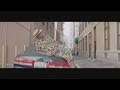
This is how they look in a 2006 film version.

Así aparecen en una película del 2006.


And this is a more traditional illustration by Henry Fuseli.

Y esta es una ilustración más tradicional de Enrique Fuseli.


And these are three 18th century high society ladies in the roles of the witches.

Y estas son tres damas de la alta sociedad del siglo 18 haciendo de las brujas


Alpin


I solemnly promise on my honour not to say the name Macbeth!

¡Prometo solemnemente por mi honor no decir el nombre de Macbeth!


QUIZ
Find words in English in the text that have to do with the theatre: / Encuentra palabras en inglés en el texto que tengan que ver con el teatro.
1. a____________.
2. ro___________.
3. re___________.
4. au___________.
5. s____________.
6. s______h_____.
Find the right words to fill in these blanks: /Busca las palabras adecuadas para rellenar estos huecos:
7. A person who is easily offended is t___________.
8. If you do something very seriously you do it s___________.
8. To make someone angry is to p_______ someone o________.
9. Someone who hunts for animals or fishes illegaly is a p________.
10. The group of actors that act in a play is the c_________.
Is number ten a little hard to find?

Thursday, 11 September 2008

Sarah Brown and Colin Heaney, the English Department of Miguelturra says hi.

We´d like to hear from two young people who were here with us in the late nineties-turn of the century and millenium and of whom we have fond memories.

First came Colin Heaney, who lived in Northern Ireland but was Catholic, was surprised at how fond the kids here were of shouting out of windows because the students back home were very reserved, is a relative of the sportswoman Geraldine Heaney, had a nephew born into his family while he was here and took the trouble to tape a lot of Irish songs for us. He also learned how to say "echar la pota."

Next came Sarah Brown, from Sawbridgeworth in England, which has a lovely castle and is near London, if we remember this right. She had a rabbit named Jasper back home, was surprised at how Christmas decorations were left hanging in this school until mid January, and even more surprised when one of the noisiest groups of kids we´ve had here became really quiet when we told them about Henry the VIIIth and his family. All the boys voted that Catherine Howard was the coolest wife and the girls liked Catherine Parr because she was smart enough to outlive Henry.

This is like a note in a bottle cast into the sea. But if miraculously you get to read this, please write to us. Don´t email because we´re not allowed to open unidentified emails. We hope life has treated you well and we´d really like to hear from you. Our address still is:

Departamento de Inglés
I.E.S. Campo de Calatrava
C/. Tomillo s/n
13170 Miguelturra, Ciudad Real
Spain

Ah! And we´re still looking for Nuño Paez!

Thursday, 4 September 2008

Nauta´s Mini Mythology - Dionysus and gang / Mini Mitología de Nauta - Dioniso y pandilla

Nauta

September is the month of the grape harvest in La Mancha. And in a lot of other places where autumn is one of the seasons. Greece is a Mediterranean country, so there were grape harvests there at this time of year too. That´s why they used to celebrate the wine god´s festival during this season.

Septiembre es el mes de la vendimia en La Mancha, y en muchos otros lugares donde el otoño es una de las estaciones. Grecia es un país mediterráneo así que había vendimias ahí en esta época del año también. Por eso solían celebrar el festival del dios del vino durante esta estación.

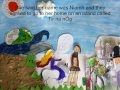
Now, have a good look at this picture and I´ll tell you all about it.

Ahora mirad bien este dibujo y yo os contaré de que va.


The young man driving the chariot is Dionysus. We Romans call him Bacchus. The chariot is drawn by leopards because they are his favorite animals. Needless to say is that his favorite plant is the grapevine.

El jovén que conduce el carro es Dioniso. Nosotros los romanos le llamamos Baco. Su carro lo conducen leopardos porque son su animal favorito. No hace falta decir que su planta favorita es la vid.

But there´s another plant that he likes too. It´s ivy. In the olden days, people who drank would often wear a crown of ivy because they thought it would protect them from the consequences of getting drunk. Maybe when it fell off their heads they realized it was time to stop. Other people believed that ivy kept you from having a headache when you woke up the day after partying.

Pero hay otra planta que le gusta tambien. Es la hiedra. En tiempos antiguos la gente que bebía se colocaba una corona de hiedra en la cabeza porque pensaba que les protegería de las consecuencias de una borrachera. Quizas cuando se les caía de la cabeza se daban cuenta de que era hora de dejar de beber. Otros creían que la hiedra evitaba que tuvieses un dolor de cabeza al despertar al día siguiente de una fiesta.

The man riding the donkey is Silenus, who looked after Dionysus when he was little and his parents couldn´t do a thing for him. But that´s another story.

El hombre que va montado en el burro es Sileno, que crió a Dioniso cuando era niño y sus padres no podían hacer nada por él. Pero esa es otra historia.

The girls are nymphs called maenads and the boy with goat´s legs is a satyr or faun. They are Bacchantes, which means they are fans of Bacchus.

Las chicas son ninfas llamadas ménades y el chico con las patas de cabra es un sátiro o fauno. Son bacantes, que significa que son fans de Baco.

The girl with the crown on her head is Ariadne. She´s part of a very famous story I´ll tell you some other time.

La joven con la corona en la cabeza es Ariadne. Es parte de una historia muy famosa que te contaré en otra ocasión.

What you need to know about her now is that she got jilted by a traitorous young man she loved a lot who eloped with her and then left her stranded on an island. But things turned out for the best because she met Dionysius, who married her and made her a goddess and gave her a spectacular crown to wear on her head. All of this proves that it´s not the end of the world when you break up with your boyfriend/girlfriend. When she´s not wearing her spectacular crown, she hangs it in the sky. You can see the crown in the sky or here:

Lo que necesitáis saber de ella ahora mismo es que la dejó tirada en una isla su novio infiel que la había convencido para que se fugase de casa con él. Pero las cosas no le salieron del todo mal porque ahí conoció a Dioniso que se casó con ella y la convirtió en una diosa y la regaló una corona espectacular. Todo esto demuestra que no es el fin del mundo si rompes con tu novio/a. Cuando no lleva puesta la corona, Ariadna la cuelga en el cielo. Puedes ver la corona en el cielo o aquí:


Now a word about the festivals of Dionysus. During these festivals, people would sing songs in a chorus that told stories about this god. One day a man is stepped out of the chorus and instead of singing he told his story acting and speaking.

Ahora, una palabras sobre los festivales de Dioniso. Durante estas fiestas la gente solía cantar cantos en coro que contaban historias sobre el dios. Un día un hombre salió de un coro y en vez de cantar contó su historia actuando y hablando.


Thespis
I´m Thespis. I´m considered the first European actor. Nobody remembers what I looked like. But it´s likely I wore a mask like this one. I´m the reason why actors are called Thespians. People loved it when I first stepped out of the chorus and started to act. It became the rage. A theatre was built for this new art form. And people wrote plays and the best of these won prizes. I won the first prize for a written play. I was a playwright too.

Yo soy Tespis. Me consideran el primer actor europeo. Nadie recuerda el aspecto que yo tenía pero es probable que llevase una máscara como ésta. Soy la razón por la que llaman tespianos a los actores. A la gente le encantó lo que hice cuando salí del coro y empecé a actuar. Se puso de moda. Constuyeron un teatro para esta nueva forma de arte. Y la gente escribió obras y las mejores de estas recibían premios. Yo gané el primer premio que se dió por una obra escrita. Me convertí en dramaturgo también.


Aeschylus
I´m Aeschylus. I´m the senior of the three most famous Greek tragedians. I was the first person to put two actors on the stage at the same time. I invented "dialogue" in the theatre. I also made actors wear costumes. They were made up of masks, robes with long sleeves and buskins, which are boots with very, very thick soles.

Soy Esquilo. Soy el mayor de los tres escritores de tragedias griegas más famosos. Fuí la primera persona que puso a dos actores a la vez en escena. Yo inventé el diálogo en el teatro. También hice que los actores llevasen disfraces. Consistían de máscaras, túnicas con mangas largas y unas botas altas con suelas muy, muy gruesas.


Sophocles

I´m Sophocles. I wrote tragedies too. The most famous is "Oedipus Rex. I was first to put a third actor on the stage. I was also first to put scenery on the stage, a painted background.

Soy Sófocles. También escribía tragedias. La más famosa es "Edipo Rey." Yo fui el primero que puso a tres actores en escena. También fui el primero que utilizó escenografía, un fondo pintado.


Euripedes

I´m Euripedes. I´m the youngest of the three. I dared to put the gods on the stage. Ways had to be invented to make them appear and disappear quickly from the stage.

Yo soy Eurípides. Soy el más joven de los tres. Me atreví a sacar a los dioses a escena. Tuvimos que inventar maneras de que apareciesen y desapareciesen rápidamente del escenario.


Aristophanes

I´m Aristophanes. I wrote comedies. My plays still make people laugh in the 21st century A.D.

Soy Aristófanes. Escribí comedias. Mis obras hacen reir a la gente aún en el siglo 21.

I wrote a play that laughed at the festival of Dionysus and at the tragedians. But it´s a little hard for most people today to understand if they don´t know much about the ancient Greek theatre. I kept joking about a little bottle in it, but that has nothing to do with your "big bottle."

Escribí una obra riéndome del festival de Dioniso y los escritores de tragedias. Pero es un poco difícil de entender hoy en día para los que no saben mucho del teatro griego clásico. En esta obra yo bromeé mucho sobre una botella pequeñita pero no tiene nada que ver con vuestro botellón.

It´s easy though for everyone to understand my comedy "Lysistrata," which is very popular with pacifists.

Es bastante fácil para todos entender mi comedia "Lisístrata," que es muy popular con los pacifistas.


Keats

You promised me my say.

Me prometiste que podría decir lo mío.


Nauta

You´ll have your very own post so you won´t feel Byron stole the show in August due to the circumstances.

Tendrás tu propia entrada para que no pienses que Byron te robó el protagonismo en agosto debido a las circunstancias.

Mini Quiz
1. Which are Dionysus' favorite plants?
2. What is the name of Dionysus' wife?
3. Who brought Dionysus up?
4. Who are the Bacchantes?
5. What did Dionysus give his wife?
6. Who is considered to be the first actor?
7. Who invented dialogue?
8. What is the name of Sophocles most famous play?
9. Who was first to put the gods on stage?
10. What did Greek actors wear?
Prize Questions:
11. What was the name of the man who jilted Ariadne?
12. What was the name of the play in which Aristophanes laughed at the tragedians?

Learning with salmons. / La letra con salmones entra.

Alpin


Cousin Michael, Mr. Binky is like Gulliver.

Primo Michael, el Sr. Binky es como Gulliver.


Michael


What is the meaning of this?

¿Y esto que significa?


Leafies


Binky has joined the dark forces.

Binky se ha pasado al lado oscuro.


Michael


What? That´s ridiculous! Binky may be a bore, but he´s not evil. Release him immediately!

¿Qué? ¡Eso es ridículo! Binky será un pesado pero no es malvado. ¡Soltadle inmediatamente!


Leafies

He wants to implant compulsory education for all the Sidhe. He wants us all to go to school!

¡Quiere implantar la educación obligatoria para los Sidhe! ¡Quiere escolarizarnos a todos!


Michael


Nonsense! You must have got him wrong. Fairy people don´t go to school! Mungo, what have you got to say for yourself?

¡Sandeces! Habreis entendido mal. ¡Las hadas no van a la escuela! Mungo, ¿qué tienes que decir en tu favor?


Mungo Binky

I´m hiring teachers. Do you need a job?
Estoy contratando docentes. ¿Necesitas un empleo?


Leafy


You see? Do you still want us to release him?

¿Lo ves? ¿Todavía quieres que le soltemos?


Leafies

He says we are ignorant and racist because we don´t want to go to school like mortals.

Dice que somos ignorantes y racistas porque no queremos ir a la escuela como los mortales.


Leafies
Better dead than mortal!

¡Antes muertos que mortales!


Mungo Binky

Did you hear what these savages just said?

¿Has oído lo que acaban de decir estos salvajes?


Leafies

Who are you calling savages? We´re not ignorant. We´re tough!

¿A quien llamas salvajes? No somos ignorantes. ¡Somos duros!


Leafy


In this world, if you´re born a brute, you´re born a graduate!

¡En este mundo, si naces bruto naces graduado!


Michael


Mungo, the truth is that fairy people never have gone to schools. We learn from our elders, or by experience, or in special ways. I travel a lot, and most of what I know I´ve learnt while travelling or in my father´s library. Pretending to be ignorant is my father´s secret weapon, but in truth he loves to read, He´s a crypto-bibliophile.

Mungo, lo cierto es que los del pueblo de las hadas nunca hemos ido a escuelas. Aprendemos de nuestros mayores, o por experiencia, o de formas especiales. Yo viajo mucho, y la mayor parte de lo que se lo aprendí viajando o en la biblioteca de mi padre. Parecer un ignorante es el arma secreta de mi padre. Pero en realidad, le encanta leer. Es un criptobibliofilo.


Leafies


You see? We´re not stupid just because we look it!

¿Lo ves? ¡Que parezcamos tontos no quiere decir que lo seamos!


Mungo Binky

I´ve been to school. I´ve been to the best schools in the world. And then to the best universities in Europe and other foreign places. I´ve been to Oxford and Cambridge and Trinity College and the Sorbonne and the university of Bremen and Alcalá de Henares and Santiago and - you name it, I´ve been there! I would sit on a tree next to the classroom window and listen to everything the teachers had to say. If it was very cold, I would enter and sit inside the stove. I´m incombustible.

Yo si fui a la escuela. Fui a las mejores escuelas del mundo. Y luego a las mejores universidades de Europa y parte del extranjero. He estado en Oxford y Cambridge y en Trinity College y en la Sorbona y en la universidad de Bremen y en Alcala de Henares y en Santiago y - nombra el lugar, que yo he estudiado allí. Yo me sentaba en un árbol junto a la ventana del aula y escuchaba todo lo que tenían que decir los docentes. Si hacía mucho frío, entraba y me sentaba dentro de la estufa. Soy incombustible.


Leafy

Those who study on purpose are the ones who end up joining the forces of darkness. They want to control all the rest of us! Like the mortals!

Los que estudian a posta son los que acaban pasándose al lado oscuro. ¡Quieren controlarnos a todos los demás! ¡Como los mortales!


Michael

Mungo, the truth is it hasn´t done you much good to go to all those human universities. All you´ve learned is to complicate things. What do you think of all this, Glorvina?

Mungo, la verdad es que no te ha hecho mucho bien ir a todas esas universidades de humanos. Solo has aprendido a complicar las cosas. ¿Qué piensas de todo esto, Glorvina?


Glorvina


I´m not sure. I don´t know what to think. I learned most of what I know when my Scottish cousins invited me to high tea. They had a pet that was a salmon of wisdom. We ate it with with cheese and onions and toast.

No estoy segura. No sé que pensar. Yo aprendí la mayor parte de lo que sé cuando mis primas escocesas me invitaron a una merienda-cena. Tenían una mascota que era un salmón de la sabiduría. Nos lo comimos con queso, cebollas y tostadas.


Alpin


You ate your cousins´ pet? And you say you are vegetarian?

¿Te comiste la mascota de tus primas? ¿Y dices que eres vegetariana?


Glorvina

Salmons of wisdom are wonderful creatures. You eat them today and they are alive and well again tomorrow. There are very, very few of them though. And they are hard to look after. You have to feed them on hazelnuts from certain magic trees. And you can´t take your eyes off them or they might give you the slip. They´re very slippery.

Los salmones de la sabiduría son criaturas maravillosas. Te los comes hoy y mañana están vivos y coleando. Pero existen poquísimos. Y son muy dífíciles de cuidar. Tienes que alimentarles con avellanas de ciertos árboles mágicos. Y no puedes quitarles la vista de encima o puede que se te escapen. Son muy escurridizos.


Alpin

¿And your cousins spend the whole day staring at that salmon? They don´t do anything else?

¿Y tus primas se pasan el día entero mirando al salmón ése? ¿No se dedican a otra cosa?


Glorvina


My cousins are wise women. You could say they are teachers. They try to teach people things. Many people consult them.

Mis primas son mujeres sabias. Podrías decir que son maestras. Intentan enseñarle cosas a la gente. Muchas personas les consultan.


Mungo Binky

Glorvina, I´d like to speak with your Scottish cousins.
Glorvina, me gustaría hablar con tus primas escocesas.


Don Quijote

There is a reason why I decided to learn English. But I can´t remember what it is...it has something to do with some foreign women...

Hay una razón por la que decidí aprender inglés. Pero no me acuerdo cual es...tiene algo que ver con unas mujeres extranjeras...


Quiz

1. Who is Gulliver?


2. Who am I?

Clue: I invented the name Vanessa. To answer this prize question, you must say who I invented it for and why.


3. Why does it look as if Binky has joined the dark forces?

4. Why do the Leafies seem to be ignorant and racist?

5. What is a crypto-bibliophile?

6. What do salmons of wisdom eat?

7. With what did Glorvina eat the salmon of wisdom?

8. What do you think happens when you eat a salmon of knowledge?

9. Why do you think Mungo Binky wants to speak with Glorvina´s Scottish cousins?

10. What will happen next?

Labels

Advent Calendar/Calendario de adviento (25) Animal rights / Derechos de los Animales (7) Art / Arte (17) Astronomy / Astronomía (9) Australia /Australia (2) Authors (31) Birthdays / Cumpleaños (36) Carnival / Carnaval (5) Christmas / Navidad (37) Compositions / Redacciones (15) Condolences / Condolencias (7) Constitutionalism / Constitucionalismo (4) Contests / Concursos (2) Coronations/Coronaciones (1) Ecology / Ecología (3) Extracurricular Activities / Actividades Extraescolares (9) Feng Shui (8) Field Trips (1) Films / Películas (8) Games/Juegos (4) Geography / Geografía (4) Ghosts / Fantasmas (17) Grammar to Get by / Gramática para apañarse (67) Halloween / Noche de Ánimas (35) Health / Salud (3) History / Historia (43) Human Rights / Derechos Humanos (13) Inventions / Inventos (1) Ireland / Irlanda (10) Laws / Leyes (5) Legends / Leyendas (56) Listening / Escuchar (33) London / Londres (5) Maths / Matemáticas (5) Memes/Memes (2) Messages / Mensajes (8) Mini Calendar / Mini Calendario (10) Mini Mythology / Mini Mitología (82) Mini Zodiac / Mini Zodiaco (12) Mr. Eddy / El Señorito Eddy (5) Music / Música (112) Needn´t Be Lost Causes / Causas No Necesariamente Perdidas (4) News / Noticias (25) Novels (7) Nursery Rhymes / Rimas para niños (19) Obituaries / Obituarios (6) Other Animals / Otros Animales (7) People/Gente (48) Plants / Plantas (12) Poems / Poesías (103) Poets/ Poetas (53) Precious and the Air / Preciosa y el Aire (4) Recipes / Recetas (21) Recommended Reading / Lecturas Recomendadas (35) Recommended TV series / Series de televisión recomendadas (1) Saints / Santos (23) Sayings and Saws and Proverbs and Quotes and Maxims / Dichos y refranes y proverbios y citas y máximas (12) Science / Ciencias (5) Scotland / Escocia (12) Scotland /Escocia (1) Shopping and gifts / Compras y regalos (8) Short Texts to Read / Breves textos que leer (34) Songs / Canciones (127) Speaking / Hablar (18) Special Days / Días Especiales (119) Sports / Deportes (9) Story report / ficha de un cuento (25) Tales of a Minced Forest/Cuentos del Bosque Triturado (171) Toora Chronicles / Crónicas Toora (245) Trailers (11) Valentine´s Day / Día de San Valentín (11) Vocabulary / Vocabulario (39) Wales / Gales (8) Winter /Invierno (2) Writing / Escribir (17)

Blogroll