It is still February. So better late than never. Five voices have spoken of love in the Rosy Tree Blog. Identify each of the poets that have spoken and search for the titles of the poems from which the fragments that you can read by clicking on Five Voices Speak of Love have been extracted.Then tell us which voice reached you best and why. Doing so, you will be telling us what you think of love.
Todavía es febrero. Así que mejor tarde que nunca. Cinco voces han hablado de amor en el Blog del Árbol Sonrosado. Identifica por su nombre a cada uno de los poetas que ha hablado ahí, y también busca los títulos de los poemas de los que se han extraído los fragmentos que puedes leer pinchando enCinco Voces Hablan de Amor.Luego dinos que voz te llegó mejor y por qué. Al hacerlo, nos estarás diciendo lo que piensas del amor.
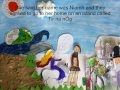
Aengus Og was the Irish god of love, youth and song. He was young and handsome and his kisses became beautiful birds. Flowers sprang under his feet.
Aengus Og era el dios irlandés del amor, la juventud y el canto. Era joven y guapo y sus besos se convertían en hermosas aves. Flores brotaban bajo sus pies.
One night, while he slept, he dreamt of a beautiful fairy whose name was Caer Ibormeith. When he woke up, he was madly in love with her.
Una noche, mientras dormía, soñó con un hada muy hermosa que se llamaba Caer Ibormeith (pronunciado algo así como Kair Ivermeth). Cuando despertó, estaba locamente enamorado de ella. After searching everywhere for her, he found her in a lake where she lived with another 149 girls, all in the form of swans with silver chains. Only true love could break these chains. Tras buscarla por todas partes, por fin la encontró en un lago donde vivía con otras 149 chicas, todas bajo la forma de cisnes que llevaban cadenas de plata. Sólo el amor verdadero podía romper esas cadenas. Aengus changed himself into a swan so he could be always with his beloved. Together they circled the lake thrice, singing. Aengus se transformó en cisne para poder estar siempre con su amada. Juntos dieron la vuelta al lago tres veces, cantando. Their song was so sweet that the neighbours who lived near the lake fell asleep for three days. Su canción era tan dulce que los vecinos que vivían cerca del lago cayeron dormidos y durmieron durante tres días.
Then the chains broke and the swans were free.
Entonces las cadenas se rompieron y los cisnes quedaron libres.
The poet W. B.Yeats wrote a poem about Aengus when he was looking for Caer Ibormeith. You have it below, and further below is our homemade Spanish version of the poem in which we have changed the berry for a cherry because these two words don't rhyme in Spanish and only the last rhymes with the Spanish word for head and we couldn't help ourselves.
El poeta W.B.Yeats (pronunciado Yeits) escribió un poema sobre Aengus cuando buscaba a Caer (pronunciado Kair). Lo tienes abajo, y más abajo está nuestra versión casera en español. Hemos cambiado una baya por una cereza porque esta última rima con cabeza y no nos hemos podido resistir.
The Song of Wandering Aengus
I went out to the hazel wood,
Because a fire was in my head,
And cut and peeled a hazel wand,
And hooked a berry to a thread;
And when white moths were on the wing,
And moth-like stars were flickering out,
I dropped the berry in a stream
And caught a little silver trout.
When I had laid it on the floor
I went to blow the fire a-flame,
But something rustled on the floor,
And someone called me by my name:
It had become a glimmering girl
With apple blossom in her hair
Who called me by my name and ran
And faded through the brightening air.
Though I am old with wandering
Through hollow lands and hilly lands,
I will find out where she has gone,
And kiss her lips and take her hands;
And walk among long dappled grass,
And pluck till time and times are done,
The silver apples of the moon,
The golden apples of the sun.
La canción de Aengus el errante
Me fui al bosque de avellanos
Porque me ardía la cabeza
Corté y pelé una vara
Y enganché a un hilo una cereza
Y cuando revoloteaban polillas blancas
Y estrellas se apagaban cual polillas al vuelo,
Lancé la cereza a un riachuelo
Y una pequeña trucha de plata pesqué,
Que dejé yaciendo en el suelo.
Fui a avivar el fuego,
Pero escuché un murmullo en el suelo, Y alguien me llamó por mi nombre.
Ahora el pez era una doncella resplandeciente,
Con flores de manzano en el pelo,
Que me llamó por mi nombre y salió corriendo
Y se fundió en el aire de terciopelo.
Aunque viejo esté y harto de vagar
Por tierras hundidas y tierras montuosas,
Al fin sabré dónde la podré encontrar,
Y besaré sus labios y sus manos tomaré,
Y por la larga hierba moteada habré de caminar
Y hasta que el tiempo y los tiempos se acaben de acabar Las manzanas de plata de la luna,
Las manzanas de oro del sol recogeré.
We found the image of Aengus and the swan in Images from the Internet. Encontramos la imagen de Aengus y el cisne en Imágenes de Internet.
What is a youth? Impetuous fire. /¿Qué es un doncel? Fuego impetuoso.
What is a maid? Ice and desire. / ¿Qué es una doncella? Hielo y deseo.
The world wags on. / El mundo sigue su curso.
A rose will bloom, / Una rosa florecerá,
It then will fade. /Después se marchitará,
So does a youth, / Un doncel lo mismo hará
So does the fairest maid. / Y a la más bella de las doncellas lo mismo le sucederá.
Comes a time when one sweet smile / Llega un tiempo en el que una dulce sonrisa
Has its season for a while / Disfruta por un momento de su esplendor.
Then love's in love with me. / Entonces, enamorado está de mí el amor.
Some they think only to marry, / Algunos solo piensan en casar.
Others will tease and tarry, / Otros prefieren tontear y vacilar.
Mine is the very best parry. / La mía es la mejor opción.
Cupid he rules us all. / Cupido nos rige a todos.
Caper the cape, but sing me the song, / Capea el temporal, pero cántame la canción.
Death will come soon to hush us along. / La muerte pronto vendrá para acallarnos.
Sweeter than honey and bitter as gall. / Más dulce que la miel y más amargo que la hiel
Love is a task and it never will pall./ El amor es un quehacer que nunca dejará de entretener.
Sweeter than honey and bitter as gall / Mas dulce que la miel y más amargo que la hiel,
Cupid he rules us all / Cupido nos rige a todos.
This film still looks young. It must be true that good things last forever.
Todavía se ve joven esta película. Debe ser verdad que lo bueno es eterno.
For February, a very romantic song: "Lady, Come Down."
Para febrero, una canción muy romántica: "Bajad, Señora."
Oscar Wilde
I wrote a poem about how the Trojan prince Paris felt while he was waiting in his galley for Greek Helen to show up for her date to elope with him. I also wrote the funniest play ever. Its title is "The Importance of Being Earnest." And it was first produced on Valentine's Day, 1895. Somebody made a film version of it, and my poem became a song that became a hit. How could it have been otherwise? I was involved. If you have any taste at all, you will listen to it and like it. Below the video are the lyrics and a bit of the dialogue from the scene of the film where the song is sang. There is also a Spanish translation of the lyrics and dialogue.
Yo escribí un poema sobre cómo se sentía el principe troyano Paris cuando estaba esperando en su galera a Elena, que había quedado en fugarse con él. Tambíen escribí la comedía más divertida de todas. Se titula "La importancia de llamarse Ernesto." Y se estrenó el día de San Valentín de 1895. Alguien hizo una película de mi comedia y mi poema se convirtió en una canción que se convirtió en un exitazo. No podía ser de otra manera. Yo estaba involucrado. Si tienes la menor pizca de buen gusto, la escucharás en el video que viene a continuación y te gustará. Más abajo está la letra de la canción con algo del díalogo de la escena en la que la cantan en la peli.
Below you can hear the song whole and better, but no images. Debajo puedes escuchar la canción entera y mejor, pero sin imágenes:
Algy: After you, dear boy. / Despues de ti, querido muchacho.
Jack: Oh, no, after you. / Oh, no, despues de ti.
Algy: No, no, no, do go first, / No, no, no, ve tú primero,
I'm not really good at the high bits. / No se me dan bien las partes altas.
Much better low / Mucho mejor las bajas
Jack: Oh, we'll see... / Oh, ya veremos…
Hm, hm, hm, hmm / Hm, hm, hm, hmm
Algy: 1, 2, and... / Uno, dos y…
Jack: The western wind is blowing fair / El viento del oeste sopla a favor
Across the dark Aegean Sea / Cruzando el oscuro mar Egeo
Algy: And at the secret marble stair / Y en la escalera secreta de mármol
My Tyrian galley waits for thee / Mi galera tiria te espera
Both / Ambos: Come down, the purple sail is spread / Bajad, la vela púrpura está extendida
The watchman sleeps within the town / El vigía duerme en el interior de la urbe
Oh, leave thy lily flowered bed / Oh, dejad vuestro floreado lecho de lirios
Oh, lady mine, come down / Oh, señora mía, bajad
Come down / Bajad
Lady come down / Señora, bajad
Come down / Bajad
Lady come down, / Señora, bajad
Oh, Lady come down / Oh, Señora, bajad
She will not come, I know her well / No vendrá, la conozco bien
Of lover's vows she hath no care / Nada le importan los juramentos de amantes
And little good a man can tell / Y poco es lo bueno que un hombre puede decir
Of one so cruel and so fair / De una tan cruel y tan bella
Jack: True love is but a woman's toy / El amor verdadero sólo es el juguete de una mujer.
They never know their lover's pain / Jamás perciben el dolor de sus amantes
Algy: And I who loved as loves a boy /Y yo, que he amado como un chiquillo,
Must love in vain / Tendré que amar en vano
Both / Ambos: Must love in vain / Tendré que amar en vano
Come down / Bajad
Lady, come down / Señora, bajad
Come down / Bajad
Lady, come down / Señora, bajad
Jack: I think your high notes may have damaged our chances, old boy. / Creo que tus notas altas pueden haber mermado nuestras posibilidades, viejo amigo. / You do want them to come down, don't you? / ¿Tú quieres que bajen o que no?
Algy: Well, she is never going to come down if you're singing like that. / Pues ella no va a bajar jamás si cantas así. /You're completely out of tune / Desentonas de lo lindo.
Jack: How dare you! / ¡Cómo te atreves!
Algy: I'll take this bit. / Yo cantaré este trozo.
Jack:You leave this to me. / Déjame hacer a mi.
You go have a lie down, old man. / Tú vete a echar una cabezadita, tío.
Algy: No, I'll take this bit / No, yo cantaré esta parte.
Jack: Out of my way, I'm coming through / Fuera de mi camino, que voy a pasar.
Algy: Go easy, my dear fellow / Con calma, colega.
Jack: COME DOOOOOWWWNNN / BAJAAAAAAAAAAAAAAD
Come down / Bajad
Lady, come down / Señora, bajad
Algy: Don´t over do it, less is more / No te pases, menos es más.
Jack: Come down / Bajad
Lady, come down / Señora, bajad
Jack: That wasn't so bad, was it? / ¿No ha estado tan mal, verdad?
Hmmmmhmhhhhmmmmm
Algy: They’re not going to come down. / No van a bajar.
D'you think we should go up? / ¿Crees que deberíamos subir? Maybe we should go up. Tal vez deberíamos subir.
In this post, we present a song that goes very well with the time vocabulary we mean to publish soon. It was the rage in the roaring twenties, became a hit again in the fifties and is still sung today by many singers. You can listen to two different versions of "All I do the whole night through..." here. The first version is more modern. The song is sung by Alexander Rybak, the Norwegian singer and violinist of Bielorussian origin who won the 2009 Eurovision song contest. Since the young man sings very slowly, you can catch every word.
En esta entrada, presentamos una canción que va muy bien con el vocabulario de tiempo que tenemos intención de publicar en breve. Hizo furor en los años veinte, volvió a triunfar en los cincuenta, y la siguen cantando muchos cantantes actuales. Puedes ver aquí dos videos con versiones distintas de "Lo único que hago durante toda la noche." La primera versión es la más moderna. Es de Alexander Rybak, el cantante y violinista noruego de origen bielorruso que gano Eurovisión en el 2009. Como el chico la canta muy despacito, se entiende todo.
The second version belongs to the classic musical film "Singing in the Rain." A group of chorus girls dance and sing this song much more rapidly. And they add a phrase that was in vogue in the twenties, "It's the cat's meow!" It means something is great and irresistible.
La segunda versión pertenece al musical clásico "Cantando bajo la lluvia." La cantan y bailan unas coristas a ritmo mucho más rápido. Y añaden una expresión que estuvo de moda en los años veinte, "¡Es el maullido del gato!," que significa "¡Es el no va más!" y también, "¡Es monísimo!"
So you can sing this song in English yourself, understanding what you are saying, we have published the lyrics and our translation (you can't sing it) below:
Para que tú la puedas cantar en inglés sabiendo lo que dices, publicamos la letra y nuestra traducción al español (pero que no se puede cantar) debajo:
All I do is dream of you / Lo único que hago es soñar contigo
The whole night through / Durante toda la noche
With the dawn, I still go on / Al alba, sigo soñando
Dreaming of you / Y sueño contigo
You're every thought / Tú eres cada pensamiento
You're everything / Tú lo eres todo
You're every song I ever sing / Tú eres cada canción que canto
Summer, winter, autumn and spring. / Ya sea verano, invienrno, otoño o primavera
And were there more / Y si hubiese más
Than twenty-four hours a day, / De veinticuatro horas al día
They'd be spent in sweet content / Las pasaría en dulce contento
Dreamin' away / Soñando y soñando
When skies are gray / Cuando los cielos están grises
When skies are blue / Cuando los cielos están azules
Morning, noon and nighttime too / Por la mañana, al mediodía y por la noche también
All I do the whole day through / Lo único que hago a lo largo del día
Is dream of you / Es soñar contigo
All I do the whole day through is dream of you. / Lo único que hago a lo largo del día es soñar contigo.
It's cat's meow! /¡Es lo más! (¡Es el maullido del gato!)
All I do the whole day through is dream of you! / Lo único que hago a lo largo del día es soñar contigo
Now that the cold is beginning to make our lives more difficult, here is a veryVictorian sad little song about a bird that would rather give up true love than flying.
Ahora que el frío empieza a complicar nuestra existencia, he aquí una triste cancioncilla muy victoriana sobre un pájaro que renunció al amor antes que a volar.
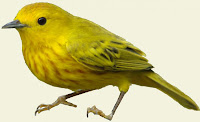
The Little Yellow Bird / El Pajarito Amarillo(traducción literal)
The snow was very plentiful, / La nieve era mucha
and crumbs were very few, / y las migas de pan muy escasas,
when a weather beaten sparrow through, / cuando una pobre gorrioncita,
a mansion window flew. / entró volando por la ventana de una mansión.
Her eye fell on a golden cage, / Sus ojos se posaron en una jaula de oro,
a sweet love song she heard, / y una dulce canción de amor escuchó, sung by apet canary there, / cantada por un canario,
a handsome yellow bird. / un apuesto pájaro amarillo,
He said to her, “ Miss Sparrow, / que le dijo, “Señorita Gorrioncita,
I've been struck by Cupid’s arrow, / la flecha de Cupido me ha alcanzado.
would you share my cage with me?” / ¿Compartirías mi jaula conmigo?”
She looked up his castle, / Ella estudio su castillo,
with its ribbon and its tassel, / con su lazo y su borlón,
and in a plaintive tone said she: / y con voz compungida contestó,
“Goodbye, little yellow bird, / “Adiós, pajarito amarillo,
I'd rather brave the cold / prefiero enfrentarme al frío,
on a leafless tree, / en un árbol pelado,
than a prisoner be, / a ser la prisionera,
in a cage of gold.” / de una jaula de oro.”
The spoiled and petted yellow bird, / El pajarito amarillo, mimado y malcriado,
could scarcely believe it true, / no podía creer lo que oía,
that a common sparrow should refuse, / que un vulgar gorrión pudiese rechazar
a bird with blood so blue. / a un pájaro de sangre tan azul.
He told her the advantages, / Le explicó las ventajas de tener
of riches and of gold, / oro y riquezas.
she answered that her liberties, / Ella contestó que su libertad
for gold could not be sold. / no se podía vender por dinero.
She said I must be going, / Dijo que era hora de irse,
but he cried, “No, no, it’s snowing, / pero él la recordó que estaba nevando
and the wintry windstorm blows! / y que el viento invernal soplaba.
Stay with me, my little deary, / “Quédate conmigo, mi amorcito,
for without you 'twould be dreary," / que sin ti, mi vida sería muy triste.”
but she only sighed ah no. / Pero ella suspiró y se negó,
"Goodbye, little yellow bird, / “¡Adiós, pajarito amarillo!
I'd gladly mate with you, / Me encantaría ser tu pareja.
I love you little yellow bird, / Te amo, pajarito amarillo,
but I love my freedom too, / pero también amo mi libertad,
so goodbye little yellow bird, / así que adiós, pajarito amarillo,
I'd rather brave the cold, / prefiero enfrentarme al frio,
on a leafless tree, / en una árbol pelado,
than a prisoner be, / a ser la prisonera
in a cage of gold. / de una jaula de oro.”
Angela Lansbury sang it in a film version of "The Picture of Dorian Gray."
If you want to hear this, click on the address below. The chorus is catchy. http://youtu.be/Wd0_K0fqGVA Angela Lansbury la cantó en una versión cinematográfica de "El retrato de Dorian Gray." Si la quieres escuchar, pincha en la dirección que viene debajo. El estribillo es pegadizo. http://youtu.be/Wd0_K0fqGVA
Victorian songs often told little stories and were very sentimental.
Las canciones victorianas con frecuencia contaban pequeñas historias y eran muy sentimentales.
True or false / Verdadero o falso
1. There are three little birds in this song, the yellow bird, the canary and the sparrow. / Hay tres pajaritos en esta canción, el pajarito amarillo, el canario y la gorrioncita.
2. The little sparrow was cold and hungry. / La gorrioncita pasaba frío y hambre.
3. The canary lived in a cage in a flat. / El canario vivía en una jaula en una apartamento.
4. The sparrow was a fortune huntress who asked the canary if she could stay to live with him. / La gorrioncita era una cazafortunas que preguntó al canario si podía quedarse a vivir con él.
5. The canary said the god of love had struck him with his arrow. / El canario dijo que el dios del amor le había dado con su flecha.
6. The canary explained that having riches had its advantages. / El canario explicó que tener riquezas tenía sus ventajas.
7. The sparrow thought freedom was less important than comfort and security. / La gorrioncita pensaba que la libertad era menos importante que la comodidad y la seguridad.
8. La gorrioncita dejó al canario porque no le quería. / The sparrow left the canary because she didn´t love him.
We found the lovely pictures of the canary, the sparrow and the golden cage on the Internet.
Encontramos las bonitas imágenes del canario, la gorrioncita y la jaula de oro en Internet.
Today I am going to tell you about the origin of laurel, hyacinths, and sunflowers. They are very different plants, but they all have in common that they are sacred to the sun god, Phoebus Apollo.
Hoy os voy a hablar del origen del laurel, los jacintos y los girasoles. Son plantas muy distintas, pero todas tienen en común que son sagradas al dios del sol, Febo Apolo.
Phoebus Apollo was a very handsome god whose physical appearance was always that of a young man. But despite his personal beauty he was not always lucky in love.
Apolo es un dios muy guapo y de aspecto eternamente joven. Pero a pesar de su atractivo personal, no le iba siempre bien en los asuntos del amor.
Apollo's first love was Daphne, a young nymph who had no interest in getting herself a husband. She was the daughter of the river god Peneus and had already told him that she had no intention of giving him grandchildren, since she was only happy when wandering freely through the woods where she practiced her favorite sport, which was hunting.
El primer amor de Apolo fue Dafne, una joven ninfa que no tenía ningún interes en buscarse un marido. Era hija del dios del río Peneo, y ya le había comunicado a su padre que no pensaba darle nietos, pues sólo era feliz vagando libremente por los bosques donde se dedicaba a su deporte favorito, que era la caza.
Peneus told his daughter she could live any way she pleased, but that he feared she would have problems because she was very beautiful and was sure to attract unwanted admirers. And that was just what happened when Apollo first set his eyes on her.
Peneo le dijo a su hija que por él podía vivir como quisiera pero que temía que tendría problemas porque era muy guapa y acabaría por atraer a admiradores no deseados. Y eso fue justo lo que pasó cuando Apolo la vió por primera vez.
Apollo fell madly in love with Daphne, but she couldn´t stand the sight of him. He stalked her everywhere and she was so sick of it that she had to ask her father for help. "All I can do is turn you into a tree nymph," said Peneus. "If you lock yourself up inside a tree he will probably get bored of waiting for you to come out and will leave you alone. And that´s the end of that."
Apolo se enamoró perdidamente de Dafne, pero ella no le podía ni ver. Él la perseguía por todas partes y ella estaba tan harta de rechazarle sin que él pudiese aceptar que no era correspondido que al final tuvo que pedir ayuda a su padre. "Lo único que puedo hacer es convertirte en la ninfa de un árbol," dijo Peneo. "Si te encierras dentro de un árbol, seguro que se aburre de esperar a que salgas y te deja en paz. Y así se acabará esto."
Daphne turned into a laurel tree before Apollo´s eyes. He was so upset he started crying, watering her with his tears. He sat beneath the tree with a crown made of its leaves on his head, playing sad tunes on his lyre and singing about how unhappy he was. At first he couldn't be torn away from the laurel tree, but at last a day arrived when somebody else attracted his attention.
Dafne se convirtió en un laurel delante de los ojos de Apolo. Él se llevó un disgusto horrible y hasta empezó a llorar, regándola con sus lágrimas. Se sentó bajo el árbol con una corona de las hojas de éste en la cabeza, tocando tristes melodías con su lira y cantando sobre lo desdichado que era. Al principio no había manera de apartarle del laurel, pero por fin llegó un día en el que se fijó en otra persona.
Hyacinthus was a handsome youth who loved sports. Unlike Daphne, he liked Apollo and he and the sun god became inseparable until an unfortunate accident put an end to their relationship. One day, while Apollo and Hyacinthus were playing a game of quoits, Apollo accidentally hit Hyacinthus on the forehead with a metal ring, breaking his neck in this manner.
Jacinto era un hermoso joven que amaba los deportes. Al contrario que a Dafne, le gustaba Apolo y él y el dios del sol se volvieron inseparables hasta que un desafortunado accidente puso fin a su relación. Un día, mientras Apolo y Jacinto jugaban a lanzar aros, Apolo tiró mal y golpeó accidentalmente a Jacinto en la frente con un aro metálico, rompiéndole así sin querer el cuello.
Hyacinthus, who was mortal, gave Apollo one last confused look and fell down and died. Apollo was inconsolable. He was never realy himself again. When a beautiful flower that could hardly hold up its heavy head sprung from the spot where Hyacinthus was buried, Apollo claimed it as his own.
Jacinto, que era mortal, dió una última y confusa mirada a Apolo y cayó muerto ahí mismo. Apolo no tenía consuelo. Nunca volvió a ser el mismo. Cuando una bella flor que apenas podía sujetar su pesada cabeza creció en el lugar en el que Jacinto estaba enterrado, Apolo la reclamó como suya.
And now I must tell you about poor Clytie, who gave Apollo the third of his sacred flowers. Apollo honoured her with his attentions for a while, but he was not much interested in her and soon turned to others. She, instead, was completely insane about the god of the sun and there was no way she could forget him.
Y ahora os debo hablar de la pobre Clitia, que le dió a Apolo la tercera de sus plantas sagradas. Apolo la honró con su atención durante un tiempo pero no le interesaba mucho y pronto empezó a buscar otros amores. Ella, en cambio, estaba completamente loca por él y no hubo manera de que le olvidase.
Her obsession with Apollo was so strong that one day she sat outside on the ground staring up at the sun hoping to catch a glimpse of him up there and never got up again. She sat there for so long, following the sun from east to west with her eyes, that she grew roots and turned into a sunflower, Even today, the sunflower is a symbol of fidelity. And the national Irish poet will give faith of this.
Su obsesión con Apolo era tan fuerte que se quedo quieta parada sentada en la tierra bajo la intemperie con la mirada fija en el sol esperando poder divisar a Apolo ahí arriba y nunca se volvio a levantar. Se quedó sentada ahí durante tanto tiempo, siguiendo al sol con los ojos de este a oeste que echó raíces y acabo convirtiéndose en un girasol.
Hasta hoy, el girasol es un símbolo de la fidelidad. Y que dé fe de ello el poeta nacional irlandés.
Thomas Moore
The heart that has truly loved never forgets,
But as truly loves on to the close;
As the sunflower turns on her god when he sets
The same look that she turned when he rose.
El corazón que ha amado de verdad no puede olvidar
Y sigue amando fiel hasta el final,
Con los mismos ojos mira el girasol a su dios
Cuando éste sube que cuando éste cae.
Michael
Click on "Endearing Young Charms" if you want to know what an Irish tenor is. And notice how he pronounces the letter "r."
I am not sure if what I am going to tell you about today, Valentine´s Day, is one love story or two. What I do know is that this story or stories are sad.
Lo que os voy a contar hoy, con motivo de San Valentín, no sé si es una historia de amor o si son dos. Lo que sí sé es que este cuento o cuentos son tristes.
Echo was a nymph who spoke very well and who loved to gossip and always had interesting tales to tell. Whenever Zeus felt like flirting with the nymphs , he would order Echo to distract his wife with her chatter so that Hera would not see what he was at. Echo did not dare to disobey the king of the gods, so she did as she was told.
Eco era una ninfa que hablaba muy bien. Le encantaba chismorrear y siempre tenía cuentos muy interesantes que contar. Cuando a Zeus le apetecía flirtear con las ninfas, ordenaba a Eco que distrajese a su esposa Hera con su charla para que esta no se diese cuenta de lo que él estaba haciendo. La pobre Eco no se atrevía a desobedecer al rey de los dioses, así que hacía lo mandado.
Hera eventually discovered how her husband was cheating on her with Echo´s help. When Echo tried to excuse herself saying she had no choice but to obey Zeus, Hera accused her of having no mind of her own and fixed it so that Echo was never able to speak properly again. All poor Echo could do from that day on was repeat the last words of whatever others said.
Eventualmente Hera se enteró de que su marido la estaba engañando con la ayuda de Eco. Cuando Eco intentó excusarse diciendo que no tenía más remedio que obedecer a Zeus, Hera la acusó de no tener personalidad propia e hizo que Eco nunca volviese a hablar de forma normal. Desde ese día en adelante, lo único que la pobre Eco podía hacer era repetir las últimas palabras que pronunciaban otras personas.
Eco began to spend a lot of time alone, fleeing from the company of others and hiding in the mountains to avoid being made fun of. But one day her eyes lit on a young man who was roaming alone in the hills and she fell madly in love with him.
Eco empezó a pasar mucho tiempo sola, apartándose de los demás y escondiéndose en las montañas para evitar que se burlasen de ella. Pero un día se fijó en un joven que vagaba solo por aquellos parajes y se enamoró perdidamente de él.
The young man´s name was Narcissus. He was handsome even in excess. Eco was not the only person who desired him. But Narcissus rejected all those that courted him. As was to be expected, he also turned Echo down. Although her love was unrequited, brokenhearted Echo followed Narcissus everywhere about. That is how she got to witness the sad end that befell this youth.
El joven se llamaba Narciso. Era guapo hasta en exceso. Eco no era la única que le deseaba. Pero Narciso daba calabazas a todos los que le pretendían. Como era de esperar, también pasó de Eco. A pesar de que su amor no era correspondido, Eco, con el corazón roto, seguía a Narciso por todas partes. Por eso fue testigo del triste fin de este hermosísimo muchacho.
One day Naricssus, who had no idea what a mirror was, saw for the first time his own reflection in a pond. He fell in love with himself immediately. But the poor thing believed that the image he was seeing was that of someone who lived at the bottom of the pond. He dove into the water hoping to reach the being he loved and drowned trying to find himself.
Un día Narciso, que no tenía ni idea de lo que era un espejo, vió por primera vez su reflejo en un estanque. Inmediatamente quedó prendado de si mismo. Pero el pobre creía que la imagen que veía era la de alguien que vivía en el fondo del estanque. Se lanzó al agua para poder estar con el ser que amaba y se ahogó en el intento de encontrarse a si mismo.
The mountain nymphs drew his lifeless body out of the pond and buried it under the green grass. A lovely flower the like of which no one had seen before grew on the spot where they had buried the youth and the nymphs called it narcissus after the dead boy.
Las ninfas sacaron su cuerpo sin vida del estanque y lo enterraron bajo la hierba verde. Una hermosa flor cuyo igual nadie había visto antes creció en el lugar en el que habían sepultado al joven y las ninfas dieron a esta el nombre de narciso en recuerdo del difunto muchacho.
Nobody ever saw poor Echo again, though it is still posible to hear her voice, especially if you are in caves or in the mountains.
Nadie volvió a ver a la pobre Eco, aunque todavía hoy es posible oírla, sobre todo si estás en cuevas o en las montañas.
Mini Quiz
1. How did Echo help Zeus fool Hera? / ¿Cómo ayudaba Eco a Zeus a engañar a su mujer?
2. What did Hera do to Echo? / ¿Qué le hizo Hera a Eco?
3. Why did Echo fall in love with Narcissus? /¿Por qué se enamoró Eco de Narciso?
4. ¿Where did Narcissus see his reflection for the first time? /¿Dónde se vió Narciso reflejado por primera vez?
5. How did Narcissus die? / ¿Cómo murío Narciso?
6. What grew on Narcissus´ grave? / ¿Qué creció en la tumba de Narciso?
7. Prize question / Pregunta con premio
Are the statements below true or false? / ¿Son las afirmaciones siguientes verdaderas o falsas?
Echoes occur because sound bounces.
For a sound to have an echo, it has to bounce off something with a smooth surface that is at least 75 metres away.
It has to hit another smooth surface on its way back to you.
All other sounds in the surroundings must be absorbed by things such as snow or a few trees or you won´t hear an echo. Los ecos se producen porque el sonido bota. Para que un sonido tenga un eco, tiene que botar de una cosa que tenga una superficie lisa y que esté al menos a una distancia de 75 metros. Tiene que golpear otra superficie lisa camino de vuelta hacia ti. Todos los otros sonidos de los alrededores han de ser absorbidos por cosas como la nieve o algunos pocos árboles o no oirás un eco.
Nauta
Who hasn´t heard of Eros, god of love? We Romans call him Cupid. With his bow and his golden arrows he has surely aimed at our hearts at least once. But this god who makes us fall in love, who does he himself love?
¿Quién no ha oído hablar de Eros, dios del amor? Los romanos le llamamos Cupido. Con su arco y sus flechas de oro, seguro que ha apuntado a nuestros corazones al menos una vez. Pero este dios que hace que nos enamoremos - ¿a quién ama?
Psyche was a beautiful maiden, fragil and light as a butterfly, hence her name. Although Psyche was only a mortal, Venus, goddess of beauty, saw her as a potential rival.
Psique era una muchacha bellísima, frágil y ligera como una mariposa, de ahí su nombre. Aunque era sólo una mortal, Venus, diosa de la belleza, la veía como una rival en potencia.
Venus was Cupid´s mother. She aksed her son to humiliate Psyche by making her fall in love with the vilest creature on the face of the earth.
Venus era la madre de Cupido. Pidió a su hijo que humillase a Psique haciendo que se enamorase de la criatura más inmunda sobre la faz de la tierra.
But when Cupid saw Psyche, he couldn´t concentrate on what he was doing. Instead of shooting her, he shot himself and fell immediately in love with her.
Pero cuando Cupido vió a Psique, no pudo concentrarse en lo que hacía y en lugar de dispararla, se disparó a sí mismo, por lo que se enamoró perdidamente de ella.
Cupid wanted to marry her, but he was afraid of his mother, so he decided to do this in secret. Through an oracle, he ordered Psyche´s parents to take her to the top of a mountain. Zephyr, the west wind, carried her from there to a magnificent palace in a fair valley where she was attended night and day by invisible servants.
Cupido quería casarse con ella pero tenía miedo de su madre así que decidió hacerlo en secreto. A través de un oráculo, ordenó a los padres de Psique que la llevasen a la cima de una montaña. Céfiro, el viento del oeste, la transportó desde ahí a un magnífico palacio en un precioso valle donde era atendida noche y día por criados invisibles.
At night she was visited by her husband. But she didn´t know what he looked like because he only came when all the lights were out.
Por la noche la visitaba su marido. Pero ella no sabía qué aspecto tenía porque sólo venía cuando todas las luces estaban apagadas.
Psyche was happy, but she missed her family. Zephyr, the West Wind, brought her sisters for a visit. They convinced her that it was dangerous not to know who her husband was.Armed with a knife, she lit an oil lamp while her husband slept. She recognized Cupid as soon as she saw him, but before she could quench the lamp, a drop of oil fell and burnt the god´s chest. He awoke and flew immediately away.
Psique era féliz, pero echaba de menos a su familia. Céfiro, el viento del oeste, trajo a sus hermanas de visita. Estas convencieron a Psique de que era peligroso no saber quién era su marido. Armada con un cuchillo, encendió una lámpara de aceite mientras su marido dormía. Reconoció a Cupido en cuanto le vio, pero antes de que pudiese apagar la lámpara una gota de aceite cayó y quemó al dios en el pecho. Éste despertó y se fue volando.
Psyche began to wander far and wide, seaching for her husband. One day she arrived at an abandoned temple and cleaned it up. The goddess Ceres appeared and thanked her for cleaning the temple, but said the only way she could find Cupid was by appeasing Venus.
Psique empezó a vagar por todas partes en busca de su marido. Un día llegó a un templo abandonado y lo limpió. La diosa Ceres apareció y le agradeció que hubiese limpiado su templo, pero dijo que no encontraría a Cupido hasta que lograrse apaciguar a Venus.
Venus received Psyche but instead of telling her where she could find Cupid, she made her carry out four tasks.
Venus recibió a Psique, pero en lugar de decirla donde podía encontrar a Cupido la mando realizar cuatro tareas.
First the goddess wanted Psyche to separate all the grains of cereal in a huge basket before twilight.
Primero la diosa quiso que separase todos los granos de cereales distintos que había en una enorme cesta antes del anochecer.
An ant took pity on Psyche. She and her fellows separated all the grains.
Una hormiga sintió lastima de Psique. Ella y sus compañeras separaron todos los granos.
But Venus was not content with that. She ordered Psyche to gather some wool from golden sheep pasturing in a field. A river-god told Psyche the sheep were very dangerous and could kill her, but if she waited until noon, they would move to the shade of a bunch of trees on the other side of the field and she could gather the wool they had left behind, stuck on bushes.
Pero Venus no se contentó con esto. Ordenó a Psique que recogiese algo de lana de unas ovejas que pastaban en un campo. El dios de un rio le dijo a Psique que las ovejas eran muy peligrosas y podían matarla, pero que si esperaba hasta el mediodía, éstas se irían al otro lado del campo, buscando la sombra de unos árboles. Entonces ella podría recoger la lana que habían dejado atrás, enganchada en los matorrales.
Venus then asked Psyche to bring her water from a mountain it is impossible for a mortal to climb. An eagle did the job for Psyche, but Venus was still unsatisfied.
Entonces Venus pidió a Psique que trajese agua de una montaña que era imposible de escalar para una mortal. Un águila hizo esta tarea por Psique, pero Venus seguía insatisfecha.
Venus said she was depressed an ill because of all this affair and was losing her beauty. She told Psyche to bring her a bit of beauty in a box so she could recover. To do this, Psyche had to visit Proserpine, the queen of the Underworld. Unfortunately, to enter the underworld, you have to die first.
Venus dijo que estaba deprimida y enferma debido a todo este asunto, y que estaba perdiendo su belleza. Le dijo a Psique que le trajese un poco de belleza metida en una cajita para poder recuperarse. Para hacer esto Psique tenía que visitar a Proserpina en el infierno. Desgraciadamente, para entrar en el infierno, primero tienes que morirte.
Psyche was about to throw herself from a tower when the tower itself spoke out and reminded her that if she died, she would never get out of the underworld. She had to enter alive, and there were ways to do that. The tower taught her how to get past the three headed dog Cereberus by giving it a cake he couldn´t resist. It taught Psyche to avoid other dangers too, and warned her to be especially careful not to eat a single thing there. Psyche followed the tower´s advice and was able to complete her task successfully.
Psique estaba a punto de tirarse de una torre para morir cuando la misma torre le habló y recordó que si se moría nunca saldría del inframundo. Tenía que entrar con vida para poder salir después y había maneras de hacer eso. La torre la enseñó a burlar al can de tres cabezas, Cerbero, dándole una tarta que no podría resistir. La enseñó a evitar otros peligros y le advirtió que no comiese absolutamente nada ahí. Psique siguió los consejos de la torre y pudo completar su tarea con éxito.
But once out of the underworld she felt so tired and worn out that she decided to take a bit of beauty from the box Proserpine had given her and use it on herself. What she didn´t know was that when immortal ladies need to look good, they sleep. And that was what there was in the box, an infernal sleep.
Pero una vez fuera del inframundo se sintió tan cansada y ajada que decidió quedarse con un poquito de la belleza que había en la caja que Proserpina la había dada y utilizarla en sí misma. Lo que no sabía es que cuando las damas inmortales quieren tener buena cara, lo que hacen es dormir. Y eso es lo que había en la caja, un sueño infernal.
Psyche, who was mortal, would have died if Cupid hadn´t removed the sleep from her face and put it back in the box. He then flew to Olympus and begged Zeus Jupiter, king of the gods, to allow him and Psyche to live happily together.
Psique, que era mortal, se hubiese muerto si Cupido no hubiese alzado el sueño de su cara y no lo hubiese devuelto a la caja. Entonces Cupido voló al Olimpo y suplicó a Júpiter, rey de los dioses, que permitiese que él y Psique viviesen felices juntos.
Zeus intervened and made peace between Venus and Psyche. He also made Psyche immortal and forever young, so she could always be by Cupid´s side. And, yes, they lived happily forever after.
Júpiter intervino y logró la paz entre Venus y Psique. Hizo inmortal a Psique, ya para siempre joven, para que siempre pudiese estar al lado de Cupido. Y sí, vivieron felices por siempre jamás.
Apuleius
You´ve done a lousy rendering. You´ve skipped a lot of interesting stuff. I do it better.
Lo has contado fatal. Te has saltado un montón de cosas. Yo lo hago mejor.
Nauta
Ok, but let´s get on with the mini quiz.
Vale, pero vamos con el mini quiz. Mini Quiz
True or False / Verdarero o Falso:
1. A mortal girl was beautiful enough to make Venus feel threatened. / Una joven mortal era lo bastante guapa como para que Venus se sintiese amenazada.
2. Psyche was so beautiful that Cupid was confused and hit himself with his own arrow./ Psique era tan guapa que Cupido se confundió y se hirió a sí mismo con su propia flecha.
3. Psyche´s sisters said they knew who her husband was./ Las hermanas de Psique dijeron que sabían quién era su marido.
4. Cupid woke when Psyche burnt him with her candle. / Cupido se despertó cuando Psique le quemó con una vela.
5. To win her husband back, Psyche had to carry out twelve tasks for Venus. / Para recuperar a su marido, Psique tuvo que realizar 12 tareas para Venus.
6. Ants, a river god, an eagle and a tower gave Psyche help. / Hormigas, el dios de un río, un águila y una torre ayudaron a Psique.
7. Psyche didn´t fall asleep forever because Cereberus woke her with his barking. / Psique no se quedó dormida para siempre porque Cerbero la despertó con sus ladridos.
8. Cupid and Psyche lived happily forever after. / Cupido y Psique vivieron felices por siempre jamás.
Prize Questions: /Preguntas con Premio:
1.Tell us what you know about the following phrase: "There is no love without trust." / Dinos lo que sabes de la siguiente frase: "No hay amor sin confianza."
2. How many loving - and not so loving couples - have been featured on the Mini Mythology posts? Make a list. If you get it right and are first to tell me, you win. / ¿Cuantas parejas de amantes - a veces no tan amantes - han salido en las entradas de la Mini Mitología? Haz una lista. Si está bien hecha y eres el primero en entregármela, ganas.
All the images except that of myself and the mini drawing are from Images on the Internet. / Todas las imágenes menos la de mi mismo y el mini dibujo son de Imagenes de Internet.
´Twas a very small garden;
The paths were of stone,
scattered with leaves,
with moss overgrown.
And a little old Cupid
Stood under a tree
With a small broken bow
He stood aiming at me.
The dog-rose in briars
Hung over the weeds,
The air was afflock
with the floating of seeds;
And a little old Cupid
Stood under a tree,
With a small broken bow
He stood aiming at me.
The dovecote was tumbling,
The fountain dry,
A wind in the orchard
Went whispering by;
And a little old Cupid
Stood under a tree
With a small broken bow
He stood aiming at me.
El Cupido canijo
Era un jardin muy pequeño con caminos de piedra cubiertos de hojas, musgo y hiedra
Y un Cupido canijo bajo un árbol ví, Con un arco partido apuntaba hacia mí.
Sobre hierbas silvestres zarzas de escaramujo colgaban y semillas flotantes el aire atiborraban
Y un Cupido canijo bajo un árbol ví, Con su arco partido apuntaba hacia mí.
El palomar, desmoronado, La fuente seca estaba, Y al pasar por el huerto una brisa susurraba
Y un Cupido canijo bajo un árbol ví, Con su arco partido apuntaba hacia mí.
This poem is by Mr. Walter de la Mare, who, although a dead poet, is a relatively recent author. One of you is going to have to tell us about him and his sensitive world.
In poems,punctuation can be a little erratic because they are more about voices and feelings than about rules. If you find anything odd about the punctuation of the English original or the Spanish translation, you may suggest changes.
If any of you want some points, I want you to tell me the name of a plant that has crept into the garden of the Spanish version and wasn´t there in the original English version. That´s a way to prove you´ve read both. And you must define in Spanish what "escaramujo" is. Yes, I know it´s dog-rose in English. But what kind of plant is it?
I have two little old Cupids with broken bows in my house. So I will put a picture of one up front and I´m putting another down here, as soon as I can.
February is the month of lovers. There are love stories of many kinds in Greek mythology and they are all beautiful, every one of them, because they are about love.
Febrero es el mes de los amantes. Hay muchas clases de historias de amor en la mitología griega y todas y cada una son preciosas porque son de amor.
I hope to tell you all of them. But today I´m going to tell you my own personal favorites.
Espero poder contaros todas. Pero hoy voy a contaros mis dos favoritas.
These are two stories, one very romantic, which was my favorite when I was young and dreamt of being a sailor. And another, very classic, which became my favorite when I grew older and missed my wife while I was at sea.
Se trata de dos cuentos, uno muy romántico, que era mi favorito cuando era joven y soñaba con ser marino, y el otro más clásico, que se convirtío en mi favorito cuando me hice mayor y echaba de menos a mi esposa estando en alta mar.
The romantic story is about Hero and Leander. And it is very sad. There is a strait called the Hellespont, that separates Asia from Europe. Here is a picture of it. On the Asian side of it was a town called Sestos. On the European side, a town called Abydos.
El cuento romántico es sobre Hero y Leandro. Es muy triste. Hay un estrecho llamado el Helesponto que separa Asia de Europa. He aquí un dibujo que lo muestra. En el lado asiático había un pueblo llamado Sesto, y en el lado europeo otro pueblo llamado Abido.
Hero was a priestess of the goddess of love, and she lived in a tower by the sea in Sestos. Leander was her lover. He lived in Abydos. Every night, Leander would swim from Abydos to Sestos, to be with his sweetheart. At dawn, he would swim back home. Every night, Hero would light a lamp to guide her beloved.
Hero era sacerdotisa de la diosa del amor, y vivía en una torre junto al mar en Sesto. Leandro era su amante y vivía en Abido. Todas las noches, Leandro nadaba de Abido a Sesto para estar con su amada. Al amanecer, volvía a casa a nado. Todas las noches, Hero encendía una lámpara para guiar a su amado.
But one ill-starred night a storm broke out. The raging winds blew out the lamp Hero had lit. And the wild waves tossed Leander about in the sea until he drowned. When Hero saw his lifeless body on the beach the next morning, she threw herself from the tower and died too.
Pero una noche con mala estrella, estalló una tormenta. Los vientos huracanados apagaron la lámpara que Hero había encendido. Las olas embravecidas zarandearon a Leandro hasta que se ahogó. A la mañana siguiente, cuando Hero vió el cuerpo sin vida de su amante yaciendo en la playa, se arrojó al mar desde su torre y murió también.
The classic story is about Baucis and Philemon. It was written to teach people to be kind to strangers, and it has a very beautiful ending.
El cuento clásico es sobre Baucis y Filemón. Fue escrito para enseñar a la gente a ser amable con los forasteros y tiene un final muy bonito.
In this story, Zeus, the king of the gods and his son Mercury visited the human world disguised as weary travellers. They arrived at a village and began to look for a place to sleep, but nobody would let them inside their houses.
En este cuento, Zeus, el rey de los dioses y su hijo Mercurio visitaron el mundo humano disfrazados de viajeros cansados. Llegaron a un pequeño pueblo y comenzaron a buscar un lugar para pasar la noche, pero nadie les acogío.
When they were leaving the village, almost on the outskirts, they saw a small cottage. An old married couple lived there. Their names were Philemon and Baucis and they made the gods welcome in their humble home. They fed the gods with their own simple but healthy food and gave them as good a place to rest as there was to be had.
Cuando estaban a punto de abandonar el lugar, ya en las afueras del pueblo, vieron una casita muy pequeña. Una pareja mayor vivía ahí. Sus nombres eran Baucis y Filemón y acogieron a los dioses en su humilde hogar. Les dieron de cenar su propia comida sencilla pero sana y les proporcionaron un buen lugar para descansar.
In the morning, the gods told Philemon and Baucis who they really were. They pointed to the place where the village should have been standing. Now, there was only a marsh there. And its inhabitants had become fen-birds and cormorants.
Por la mañana los dioses revelaron su verdadera identidad a Baucis y Filemón. Señalaron el lugar donde había estado el pueblo. Ahora, solo había allí una ciénaga. Todos sus habitantes se habían convertido en pájaros de agua.
As for the kindly couple, the gods offered to give them whatever they asked for. The couple asked that their house should become a temple and they its guardians. They also asked that they should die on the same day, so one wouldn´t have to live without the other.
Acto seguido los dioses se ofrecieron a conceder cualquier deseo que tuviese la amable pareja. Filemón y Baucis pidieron que los dioses convirtiesen su hogar en un templo, y a ellos en los guardas del mismo. También pidieron morir los dos el mismo día, para que uno no tuviese que vivir sin el otro.
So it was. And on the day they died, the gods turned one into an elm and the other into an oak that grew twined by the temple near the marsh.
Así fue. El día en que murieron, los dioses convirtieron a Filemón en un olmo y a Baucis en un roble que crecían tan juntos que se entrelazaban, ahí junto al templo a orillas de la ciénaga.
George Gordon, Lord Byron
This post should be about me.
I wrote verses about Hero and Leander.
And I swam the Hellespont myself.
And now, I´m going to quote myself:
Este post debería de ser sobre mí. Yo escribí versos sobre Hero y Leandro. Yo también cruce el Helesponte a nado. Y ahora me voy a citar a mí mismo.
"The winds are high on Helle´s wave,
As on the night of stormiest water,
When love, who sent, forgot to save
The young, the beautiful, the brave,
The lonely hope of Sestos´s daughter."
"Los vientos vuelan alto sobre las olas de Hele, como en aquella noche de fatídica tormenta, cuando el Amor, que envió, se olvidó de salvar a la joven, bella y valiente solitaria esperanza de la hija de Sesto."
That´s from my poem, "The Bride of Abydos." Eso es de mi poema "La Novia de Abidos." And here´s my autograph. How could you not want it?
Y aquí tenéis mi autógrafo. ¿Como podríais no quererlo?
Alfred, Lord Tennyson
I´m romantic too!
Yo soy romántico también.
I made Hero say,
Hice que Hero dijese:
"The turret stairs are wet
That lead unto the sea.
Leander! go not yet.
The pleasant stars have set:
Oh! Go not, go not yet.
Or I will follow thee."
"Los escalones de la torre que conducen al mar están inundados. ¡Leandro! No te vayas todavía. Las estrellas de buen fario se han puesto. ¡O! No te vayas todavía, no te vayas todavía, o yo te seguire!
That´s a fragment from my poem, "Hero to Leander."
Eso es un fragmento de mi poema "Hero a Leandro."Why shouldn´t this post be about me?
¿Por qué no debería ser este post sobre mí?
Why should everything be about you, George?
¿Por qué todo tiene que ser sobre tí, Jorge?
Byron
Because...Who was the rock star in the 19th century?
Porque... ¿Quién era la estrella del rock en el siglo XIX?
Tennyson
Franz Liszt? Why are you here anyway? You have the same opinion on children as Herod.
¿Franz Liszt? ¿Por qué estás aquí realmente? Tú tienes la misma opinión de los niños que Herodes.
Byron
I came to see if I´m handsomer than Darcy.
Vine a ver si soy o no más guapo que Darcy.
Tennyson
Are you?
¿Y lo eres?
Lord Byron
I think so.
Yo creo que sí.
Tennyson
I think we´ll be back. All three of us.
Yo creo que nos veremos las caras aquí. Los tres.
Franz Liszt
All four.
Los cuatro.Nauta´s Mini Quiz III True or false:
Hero and Leander ___1. The Hellespont is a strait. ___2. Abydos is in Europe and Sestos is in Asia. ___3. Leander was European and Hero was Asiatic, ___4. Leander swan across the Hellespont to be with Hero every night. ___5. The goddess of love lit a lamp to guide Leander when he swam. ___6. One unlucky night there was a storm. ___7. Hero blew out the light of her lamp. ___8. Leander couldn´t see where he was going and drowned. ___9. Leander saw Hero dead on the beach. ___10. Hero jumped from her tower and died too.
Baucis and Philemon: ____1. The god Zeus and his father, Mercury, visited a village in the human world. ____2. Nobody in the village let them sleep in their houses. ____3. A young couple lived in a big cottage on the outskirts of the village. ____4. Philemon and Baucis gave the gods food and a place to sleep. ____5. The mean villagers became birds and their village became a marsh. ____6. Philemon and Baucis' house became a shopping centre and they its guardians. ____7. Philemon and Baucis died on the same day and became trees.
Prize Questions: 1. What was the profession of George and Alfred? 2. What was Franz Liszt´s profession? 3. Who was the rock star in the 19th century? 4. What did Herod think of children? Jackpot Memory Question: Who is Darcy?






.jpg)