English/Spanish blog from somewhere in La Mancha / Blog en inglés y español de un lugar de La Mancha

Welcome / Bienvenidos

Thanks for visiting us.
Gracias por visitarnos.
Powered By Blogger

Blog Archive

Showing posts with label Recipes / Recetas. Show all posts

Sunday, 15 March 2026

The Meatloaf /El Albondigón

The Meatloaf / El albondigón

Once upon a time there was a monastery in which there lived four and twenty monks. Traditionally vegetarians, things changed for these gentlemen when a new cook was appointed. He was a very good cook, very conscientious. And his specialty was Andalusian meatloaf. Now this is a very rich dish made from pork and veal formed into a huge ball and sutffed with ham, bacon, eggs, green peppers, onions, carrots, bread crumbs, garlic, parsley, milk, raisins, pineseeds and a glass of that true delicacy, sweet Málaga wine. The loaf is dipped in batter and cooked  in olive oil and seved with almond gravy and fried potatoes.  

Erase una vez un monasterio en el que vivían veinticuatro monjes. Tradicionalmente casi vegetarianos eran, pero las cosas cambiaron para estos señores cuando nombraron a un nuevo cocinero. Era un muy buen cocinero, y su especialidad era el albondigón andaluz. Es este un plato muy rico hecho de cerdo y ternera que forman una gran bola rellena de jamón, tocino, huevos, pimientos verdes, cebollas, zanahorias, migas de pan, ajo, perejil, leche, pasas, piñones y un vasito de esa auténtica delicia que es el vino dulce de Málaga. El albondigón se reboza y se fríe en aceite de oliva y se sirve con una salsa de almendras y se acompaña de patatas fritas.

Each monk was served his own meatloaf, one each. The monks were by no means gluttonous. They enjoyed their meatloaf, but this was the only meal they had in the whole day. For dinner, they only had a glass of milk.     

A cada monje se le servía su propio albondigón, uno por barba. No era gula. Los monjes disfrutaban de su albondigón, pero eso era lo único que comían en todo el día. Salvo un vaso de leche para cenar. 


For some reason, the twenty four monks became twelve. Half of them had hastened off to claim their eternal reward. And then, when they became seven, the prior consulted a doctor. He really thought he should know what was happening.  "No to the meatloaf!" said the doctor. "Just eat Brussels sprouts and artichokes." 

Por alguna razón los veinticuatro monjes se convirtieron en doce. La mitad se había apresurado en reclamar su puesto en la gloria. Y cuando de los monjes sólo quedaron siete, el prior pensó que debía de averiguar que estaba pasando, y llamó a un médico. "¡No al albondigón!" sentenció el médico. "No comáis nada más que alcachofas y coles de Bruselas."    

For a while, the monks did just that. They grew thin, but mostly they grew very, very listless and unhappy. The cook was unhappy too. All he did was sigh and drop tears into the water in which he boiled the artichokes and the Brussels sprouts. But that did not make them any tastier.

Durante un tiempo los monjes cumplieron con lo recomendado. Se volvieron muy delgados, pero sobre todo, se volvieron muy apáticos y muy, muy tristes. El cocinero también estaba tristísimo. Todo lo que hacía era suspirar y derramar lágrimas en el agua en la que hervía las coles y las alcachofas. Y ni eso las volvía más apetitosas. 

"That's it!" said  the prior. "This is over! On with the meatloaf, fall who may!"

"¡Hasta aquí hemos llegado!" exclamó un día el prior. "¡Se acabó! ¡Qué siga el albondigón, caiga quien caiga!"


Exercises / Ejercicios

I- True or false. Explain your answers. / Verdadero o falso. Explica tus respuestas.

____1. There were two dozen monks living in a monastery./ Dos docenas de monjes vivian en un monasterio. 

____2. A new cook prepared a delicious dish./ Un nuevo cocinero preparaba un delicioso plato.

____3. The cook's specialty was apt for vegetarians. / La especialidad del cocinero era apta para veganos.

____4. The meatloaf was a very healthy dish. / El albondigón era un plato muy sano. 

____5. Artichokes and Brussels sprouts are fattening. / Alcachofas y coles engordan.

II - Find words in the text that mean: / Encuentra palabras en el texto que significan:

1. an alcoholic beverage / una bebida alcohólica.

2. the chief of a group of monks / el jefe de un grupo de monjes.

3.a drop of fluid from the eye / una gota de fluido que cae de un ojo.

4. lacking the will to do things / sin ganas de hacer nada.

5. move or do something rapidly / moverse o hacer algo rápidamente. 

III - Writing: Have you ever been on a diet? Was it to lose or to gain wieight? Write no more than a hundred words about your experience.  

Escribir: ¿Alguna vez has estado de dieta? ¿Fue para perder o para ganar peso? Escribe no más de cien palabras para contarnos tu experiencia. 

Shakespeare

"I call Malaga wine sack!" / "Yo llamo sack al vino de Málaga."

Sir John Falstaff, Sack and Sugar.       

"And you made me drink so much of it in your plays it became my nickname."

"Y me hiciste beber tanto de eso en tus obras, que se convirtió en mi mote."


Monday, 21 April 2025

Baskets /Cestas


EASTER BASKETS AND MAY BASKETS / CESTAS DE PASCUA FLORIDA Y DE MAYO

   Easter baskets and May baskets can be a fun thing. We hope you got an Easter basket yesterday, full of painted eggs, chocolate eggs wrapped in colourful tinfoil, a toy bunny or lamb or chick and maybe some fancy Easter cookies. In Spain, godparents give their godchildren chocolate figures called  monas. The chikld gets as many as years it is old.   May baskets are a little different. They always bear flowers, most often wild spring flowers, but you can put some cookies or homemade jam in there too. You give them to neighbours you appreciate, or to someone you love. Or to someone you have a crush on and want to flirt with. The thing about May baskets is that the giver has to try to hide from the receiver. You leave the basket on the doorstep of the intended receiver's home, ring the doorbell and rush to hide. If there is a conveniently large tree nearby you can stay to spy and find out who opens the door and if the basket got to the person it was really meant for. Of course, if your intention is to flirt, you are likely to put something that can identify you in the basket or  let a bit of yourself be spied in turn while you run to hide. It will be up to the receiver to thank the spied giver or to pretend not to have seen who that was. Good luck with that we wish you.  

 Las cestas de pascua florida y de mayo pueden resultar muy divertidas. Esperamos que hayas recibido una cesta de pascua repleta de huevos pintados, otros de chocolate envueltos en papel de estaño de colorines, al menos un muñequito con forma de conejito, corderito o pollito y tal vez unas galletas propias de la estación. En España, los padrinos de un niño deben regalarle monas, esas figuritas de chocolate con formas primaverales. La costumbre es regalar al ahijado o ahijada tantas monas como años tiene la criatura. Las cestas de mayo son algo distintas. Siempre han de llevar flores, generalmente silvestres, pero también pueden incluir galletas o mermeladas caseras. Se regalan a los vecinos que aprecias, o a personas a las que quieres, También se pueden regalar a alguna persona con la que estás quedado o quedada y con la que quieres flirtear. Lo típico de este tipo de cesta es que el que la recibe no debe saber quién se la ha dado. Hay que dejar la cesta delante de la puerta de la casa del receptor, tocar el timbre y salir pitando para esconderse. Si hay por ahí cerca un árbol convenientemente grande, puedes espiar desde este para enterarte de quién ha abierto la puerta y si la cesta ha llegado o no al destinatario al que pretendías que llegase. Claro que si tu intención es flirtear, puedes meter algo que te delate en la cesta o dejar que te atisben cuando finges huir, como quién no lo quiere. Ahora le toca al que ha recibido la cesta darse por enterado o enterada de que has sido tú, o fingir que no se entera de nada. Buena suerte con eso te deseamos.

We found a quote about how nineteenth century writer Louisa May Alcott described May Eve festivities in her time and here it is: Such a twanging of bells and rapping of knockers,such a scampering of feet in the dark, such droll collisions as boys came racing round corners, or girls ran into one another's arms as they crept up and down steps on the sly, such laughing, whistling, flying about of flowers...

Encontramos una cita de la escritora decimonónica Louisa May Alcott en la que describie las festividades de la vispera de mayo en su tiempo. Aquí la tienes: Tal repicar de campanillas y tantos golpes de aldabas, tanto corretear en la oscuridad, tantos encontronazos divertidos al chocar los muchachos que corrían por las esquinas o las chicas que tropezaban unas con otras mientras se movían subrepticiamente bajando por escalones, tantas risas y silbidos, y tantas flores volando por los aires...

Friday, 3 November 2023

The mini myth of Summanus / El mini mito de Sumano


Long time no see. 
Hace mucho que no nos vemos. 
Today, I want to tell you about Summanus. 
Hoy os quiero hablar de Sumano.


Summanus was a god of Etruscan origin who had his own temple in Rome. Originally, his image could be found in a temple dedicated to Jupiter. One day, lightning struck the temple, landing on the head of the image of Summanus. The head fell into the river Tiber where it was eventually found by people who believed that all this meant Summanus wanted his own temple. And they gave it to him. Summanus was god of nocturnal thunder. He didn't make noise at night to molest or frighten people. He made it to warn people that storms and floods might be about to happen and that they should get up and go keep safe anything they valued that could be 
damaged by these natural disasters. Grateful people would offer Summanus cakes shaped like wheels. 
I love those cakes, which are called summanalia. I think my wife and I should make some one of these days. We will need flour, milk and honey. 

Sumano era un dios de origen etrusco que tenía su propio templo en Roma. Originalmente, su imagen se encontraba en un templo dedicado a Júpiter. Un día, un rayo cayó sobre ese templo, concretamente sobre la cabeza de Sumano que se desprendió y acabó en el río Tiber. Las personas que encontraron la cabeza pensaron que esto significaba que Sumano debía tener su propio templo, y le hicieron uno. Sumano era el dios de los truenos nocturnos. No metía ruido para molestar ni para asustar a la gente. Lo metía para advertir a los mortales que era probable que hubiesen tormentas e inundaciones y que sería mejor que se levantasen y pusiesen a salvo todo lo que valoraban y que podrían estropear estos desastres naturales. En agradecimiento, los devotos de Sumano le ofrecían pasteles con forma de rueda. Me encantan esos pastelitos, que se llaman sumanalias. Creo que mi mujer y yo deberíamos hacer algunos un día de estos. Necesitaremos harina, leche y miel.   

Write a composition of about a hundred words telling us about the worst storm you have been in. Or, if you are afraid of thunder or were so as a child, tell us about this fear. 

Escribe una redacción de unas cien palabras sobre la peor tormenta que has soportado. O, si tienes miedo de los truenos o lo tenías cuando eras pequeño/a, cuéntanos sobre este miedo. 


There is a great article about roman cakes in facebook, and we found this image in it. We´ll try to find a recipe for summanalia. 

Hay un gran artículo sobre pastelitos romanos en facebook, y encontramos esta imagen ahí. Intentaremos encontrar la receta de las sumanalias.  


Thursday, 19 October 2023

Incantation of the Queimada / Conjuro de la Queimada

Today we offer a reading for an advanced level, namely, the incantation of the queimada. 

Hoy ofrecemos una lectura para un nivel avanzado. Se trata del conjuro de la queimada.

The queimada is a traditional drink typical of Galicia, where the scenery is lovely but the weather is rather damp. Made in a pot with aguardiente, which is a liquor called burning water and similar to schnapps, with sugar, and lemon and / or orange rind, the concotion is set on spectacular fire. Grains of coffee and slices of apples may be added to the brew, which is served hot, sometimes with the flames still flaming in the drinking cups. This drink is supposed to cleanse the drinker, freeing him or her from any spells he or she may be under. To obtain this result, one must recite the incantation of the queimada while the flames are retreating. 

La queimada es una bebida tradicional, típica de Galicia, donde las vistas son preciosas pero el clima algo húmedo. Hecha en un pote con aguardiente, azúcar, y ralladura de limón y /o de naranja, al brebaje se le prende espectacular fuego. Se pueden añadir granos de café o  trocitos de manzana, y a veces se sirve en las copas cuando todavía está en llamas. Se supone que esta bebida puede liberar a los que la beben de los hechizos bajo los que puedan estar. Para obtener este resultado, hay que recitar el conjuro de la queimada mientras las llamas se apagan. 

The incantation sounds rather mediaeval and is certainly a bit creepy,  but it has a lot of quite colourful vocabulary and would probably be approved of by Harry Potter, once come of age. To read it, click on THE TERRORIFIC INCANTATION OF THE QUEIMADA.  

El conjuro es muy medieval, y puede que a alguno le de algo de repelús, pero tiene un montón de vocabulario y seguro que agradaría a Harry Potter, una vez cumplida la mayoría de edad. Para leerlo, pincha en EL TERRORÍFICO CONJURO DE LA QUEIMADA. 

For younger students, we suggest  clicking on Snap Dragon instead. 

Para estudiantes menores, sugerimos pinchar en  Muerde, Dragón en vez. 

Thursday, 13 July 2023

Coconut Mice / Ratones de coco


Heather and Thistle gave Cathsheba the recipe for Coconut Mice. Here it is. 

Brezo y Cardo le dieron a Gatsabé la receta de Ratones de Coco. Aquí está. 


Y en español: 

Necesitas una lata de leche condensada y unas dos bolsas de coco rallado. También colorante para alimentos, cacahuetes pelados y chuches para decorar. Mezcla la leche y el coco. Tiene que quedar suficientemente espeso como para formar bolas. Elige el color que quieras para los ratones. Echa el colorante elegido. Forma bolas con la mezcla. Decora con dos medios cacahuetes para las orejas, un poco de caramelo rojo (guinda, frambuesa) para la boca y bolitas de caramelo verde para los ojos. Usa tiras de piel de naranja o de limón confitadas para las colas. Mete los ratones en la nevera hasta que endurezcan. Fin.


We just made a batch. Using blueberries for eyes. 

Acabamos de hacer una tanda.Utilizando arandanos azules para los ojos.


Friday, 15 April 2022

Milksops Recipe / Receta de sopitas con leche

Milksops

This recipe is really easy. You only need one cup of milk, two slices of yesterday’s bread, and two spoonfuls of sugar, white or brown.  Put the milk in a small pot and stir and stir with a spoon and  before it gets to boil drop in the two slices of bread. Turn them over well so that they are totally soaked in milk. Break up the soaked bread into little pieces with the stirring spoon. Add the two spoonfuls of sugar and stir and stir to avoid any sticking to the pan.  Remove from the fire. They are done. Serve in a bowl or soupdish.  This is a delicate dish, good for people who are feeling delicate, such as little children and invalids, or those recovering from illness. If you like, you can add cinammon, raisins and/or bits of candied fruit, like oranges and cherries,  chocolate chips, etc., to this dish.

Sopitas con Leche

Esta receta es muy fácil. Sólo necesitas una taza de leche, dos rebanadas de pan de ayer y dos cucharadas de azúcar blanco o moreno. Pon la leche en un cazito y remueve y remueve con una cuchara de madera. Antes de que llegue a hervir, echa las dos rebanadas de pan. Voltéalas para que se mojen bien y se empapen del todo en la leche. Añade las dos cucharadas de azúcar y remueve y remueve para evitar que algo se pegue al cazito. Retirar del fuego, pues esto está hecho. Servir en un bol o en un plato sopero. Las sopitas con leche son un plato delicado para gente que se siente delicada,  para los niños pequeños, los inválidos y los convalecientes. Si te apetece, puedes añadir canela, pasas, trocitos de fruta escarchada, como naranja y cerezas, chips de chocolate, etc., a este plato.  

Thursday, 14 April 2022

Midas Sandwich Recipe / Receta de emparedado Midas


Make Mine a Midas

A Midas Sandwich is easy to make. All you need are two pieces of sandwich bread, cheese, butter, chives and honey. You butter a slice of sandwich bread on bothe sides, and place it in a frying pan. You put some cheese (cheddar will do nicely) all over the upper side of the piece of bread. You cut up the chives in tiny pieces and sprinkle them over the cheese. You butter the other slice of sandwich bread also on both sides and put that over the first and all it carries. You will be able to tell the first slice is toasted when you try to lift the sandwich. If it is toasted, it comes up easily. You turn the sandwich over  carefully so the second piece of bread will be toasted too. When it is, you put the sandwich on a  dish and spread a generous spoonful of honey on it. That´s your Midas sandwich, as golden and as rich as if the famous king put his  magic touch on it.  

Que el mío sea un Midas

Un emparedado Midas es muy fácil de hacer. Sólo necesitas dos rebanadas de pan de molde, queso, mantequilla, cebollino y miel. Untas una de las dos rebanadas de pan con mantequilla por los dos lados y lo colocas en una sartén. Pones algo de queso (por ejemplo, queso cheddar) por encima de la rebanada de pan. Picas el cebollino finamente y lo espolvoreas encima del queso. Untas la otra rebanada con mantequilla también por los dos lados y  cubres todo con ella. Sabrás cuando se ha tostado la parte de abajo del emparedado cuando intentes levantarlo. Si se levanta fácilmente, ya puedes dar la vuelta al emparedado cuidadosamente  para que se tueste la segunda rebanada de pan. Cuando esa rebanada también pueda levantarse fácilmente porque está tostada, traslada el emparedado a un plato. Hecha una buena cucharada de miel sobre el emparedado. Ya está listo tu Midas, tan dorado como si lo hubiese tocado el Rey Midas. Y tan rico como lo fue él.


Monday, 8 December 2014

Milk Sweet Au Bain Marie / Dulce de Leche al Baño María


Heather, Mary the Jewess and Thistle / Brezo, María la judía y Cardo

Hi. Heather and Thistle here. Today, we are going  to make Milk Sweet. Milk Sweet is very easy to make thanks to a technique invented by our Mum’s great friend, Mary Prophetisima, also known as Mary the Jewess. Mary is considered the first true alchemist of the Western world and has been practicing for far more than a thousand years. The technique we are going to employ is named after her.  It is called bain-marie, or Mary´s bath. It consists of putting something you wish to cook in a container and then putting that container in a second container about half filled with water or some other liquid. Then you boil the thing in the first container in the water of the second. This isn’t only done in kitchens. It is also useful in science labs.

Hola.  Aquí Brezo y Cardo. Hoy vamos a hacer dulce de leche. El dulce de leche es muy fácil de hacer gracias a una técnica inventada por la gran amiga de nuestra madre, María Profetísima, también conocida como María la judía. María es considerada la primera verdadera alquimista del mundo occidental y ha ejercido de alquimista durante mucho más de mil años. La técnica que vamos a emplear lleva su nombre. Se llama baño María y consiste en poner algo que quieres cocer en un contenedor y luego meter ese primer contenedor en un segundo contenedor lleno de agua o algún otro liquido. Entonces cueces el contenido del primer contenedor en el líquido del segundo. Esto no se hace solamente en la cocina. También es útil en los laboratorios de ciencias.

Here goes our recipe for Milk Sweet, step by step. / Ahí va nuestra receta de dulce de leche, paso a paso.

1.  Take a can of condensed milk and remove its label. / Coge una lata de leche condensada y quita la etiqueta.  

2.  Make two tiny holes in the top of the can with a can opener. The holes should be on opposite sides of the top of the can.  If you don´t do this, the can might turn into a domestic bomb and explode, leaving the Milk Sweet all over your ceiling. And that is the least that can happen. / Haced dos agujeros  muy pequeños en la tapa de la lata con un abrelatas. Los agujeros deben estar en puntas opuestas de la tapa de la lata. Si no haces los agujeros, puede que la lata se convierta en una bomba casera y explote, dejando el dulce de leche pegado al techo de vuestra cocina. Y eso es lo menos que podría ocurrir.

3.  Put the can in a small pot and fill the pan with water leaving only one inch of the can uncovered by the water. You must do this so the water won´t enter the can through the holes you made. / Pon la lata en una cacerola pequeña y llena la olla de agua, dejando sólo cosa de una pulgada de la lata por encima del agua. Debes hacer esto para que el agua no entre en la lata por los agujeros que hiciste.

4.  Put the pot on the cooker at medium heat. Keep an eye on the water until it comes to a boil, then lower the heat. / Pon la cacerola a hervir a fuego medio y vigila el agua hasta que empiece a hervir. Entonces baja el fuego a fuego lento.

5. Be patient. The longer you allow the milk to boíl, the harder the Milk Sweet will be. The process can take from three to four hours depending on how hard you like the milk.  / Ten paciencia. Cuanto más tiempo dejes hervir la leche, más duro saldrá el dulce de leche. El proceso suele llevar de tres a cuatro horas dependiendo de cómo de hecha te guste la leche.

6.  If milk starts to come out of the holes you made, try to remove it with a spoon. Don´t let the milk fall into the water. / Si empieza a salir leche por los agujeros que hiciste, intenta retirarla con una cucharita. No dejes que caiga en el agua.

7. After three or four hours have passed, according to your choice, turn off the heat and remove the can from the pan with pincers or kitchen gloves so you won’t burn your fingers. Allow the can to cool on a rack. / Cuando hayan pasado las tres o cuatro horas, según tu gusto, apaga el fuego y saca la lata con pinzas o guantes de cocina de la cacerola para no quemarte los dedos.   Deja que se enfríe la lata sobre una rejilla.

8. Open the can carefully with a canopener.  Turn the can upside down over a bowl or deep plate and let the Milk Sweet fall out, scraping whatever clings to the can with a spatula./ Abre la lata con cuidado con un abrelatas. Vuelca la lata sobre un bol o plato hondo y extrae el dulce de leche que no caiga con una espátula.  

 9. You can beat the Milk Sweet if you like so it will all have the same texture. / Puedes batir el dulce de leche si quieres para que toda tenga la misma textura.

10. Enjoy it or keep it in the fridge. But don´t forget to clean up the kitchen. / Disfruta del dulce o guárdalo en el frigorífico. Pero no te olvides de limpiar la cocina.


Tuesday, 28 August 2012

Figs baked in lime, honey and butter / Higos cocidos en mantequilla, miel y lima


Thistle / Cardo

It's my turn to prepare dessert tonight for my parents and my sister and myself.
Here's what I'm going to cook and how I will cook it.

Me toca a mí preparar el postre de la cena de esta noche para mis padres y mi hermana y yo. Os voy a contar lo que voy a cocinar y cómo voy a hacerlo.  


I have twelve large ripe green figs I just picked from a tree and I'm going to make with them dessert for dinner. Aside from the twelve figs I need one really big lime, about one fourth cup of honey and a tablespoon of unsalted butter.

Tengo doce higos verdes grandes y maduros que acabo de coger de un árbol y con ellos voy a preparar el postre para la cena. Además de los doce higos necesito una lima bien grande, un cuarto de taza de miel y una cucharada colmada de mantequilla sin sal.

First, I prepare the figs by cutting off their stems and then I make the fig look like a flower cutting it in four quaters but not all the way to the bottom. Then I put the figs that look like flowers in a baking dish.

Para empezar, corto los tallos de los higos y luego hago que cada higo parezca una flor cortándolo en cuatro pero sin llegar a separar los cuatro "pétalos." Entonces coloco los higos que parecen flores en un plato para hornear.

Now I take the lime and remove the green peel very carefully with a fine grater. I set what I obtained aside for a while. Now I cut the lime in half and squeeze the juice out. 

Ahora toca coger la lima y quitarle la piel verde con un rallador muy fino. Guardo la ralladura para más tarde. Ahora corto la lima por la mitad y extraigo el jugo.

Next I put the butter and the honey in a saucepan and heat it over low fire until they melt and blend. I then remove the saucepan from the heat and add the lime juice to the blend of butter and honey. And when the lime juice is in the blend too, I put this honey, butter and lime sauce on the figs in the baking dish. I must make sure all of the figs get to be soaked in this mixture. And then sprinkle some of the grated lime peel on the flowery figs.

Lo siguiente que haré es poner la mantequilla y la miel en una sartén sobre fuego bajo hasta que se derritan y fundan. Entonces retiro la sartén del fuego y añado el zumo de lima a la mezcla. Y cuando el zumo también se ha integrado en la mezcla, vierto esta salsa de miel, mantequilla y zumo de lima sobre los hijos que están en el plato para hornear. Tengo que asegurarme de que todos y cada uno de los hijos queden empapados en la mezcla. Entonces espolvoreo algo de la ralladura de piel de lima sobre los higos que parecen flores.

Now I put the baking dish with the figs in the oven, where I will bake them for about fifteen minutes. I must interrupt the baking process at least once to baste the figs with the honey-butter-lime syrup.

Ahora pongo el plato de hornear con los higos en el horno, donde los dejo cocer unos 15 minutos. Hay que interrumpir la cocción por lo menos una vez para regar los higos con el sirope en el que se están cociendo.


When they are done, I put them on the prettiest dessert plates I can find and I serve them with a bit of fresh cream or cheese or a scoop of vanilla ice cream. I can decorate the plates with curiously cut lime wedges if I choose to. If this recipe sounds good to you, prepare figs at home and enjoy!

Cuando estén hechos, los pongo en los platos de postre más bonitos que tengo y los sirvo con un poco de nata o queso crema o una bola de helado de vainilla. Puedo decorar los platos con trozos de lima cortados bonito si quiero. Si os ha gustado esta receta, hacedla en casa y ¡disfrutad! 

Sunday, 15 July 2012

The Pasty and the Miners / La empanada y los mineros

Cornish Pasty / Empanada de Cornualles

Pasties and miners are quite related in Britain. Especially Cornish pasties and Cornish miners. The typical Cornish pasty has Protected Geographical Indication status in Europe. To prepare a pasty you have to fill a pasty sheet with beef, potatoes, onions and swede, rutabaga or yellow turnip, season the filling with salt and pepper, fold up the pasty and seal it forming a D shape and bake it in the oven.  
Las empanadas y los mineros van muy unidos en la cultura anglo-sajona. Sobre todo las empanadas y los mineros de Cornualles. La empanada típica de ese lugar está protegida en Europa con denominación de origen. Para prepararla, hay que  rellenar una masa con ternera, dados de patata, cebolla y nabo sueco, colinabo o nabo amarillo,  sazonar el relleno con sal y pimienta,  doblar y sellar la masa dándola forma de D y hornear la empanada resultante.
Abandoned Cornish Mine / Mina abandonada en Cornualles

The pasty seems to have started out as a food for the rich, who sent them to each other as prized gifts, but it ended up becoming a working class dish because it was very easy to manage. It was easy to transport to one's place of work, stayed warm for hours and could be heated if cold even over a candle. Besides, it was a complete meal in itself.
Parece que la empanada empezó en el mundo anglo-sajón como comida de ricos, que se enviaban empanadas como regalos preciados, pero acabó convirtiéndose en un plato muy cómodo de manejar por la clase trabajadora porque se podía transportar al lugar de trabajo muy fácilmente, conservaba bien el calor y si se enfriaba se podía calentar incluso sobre una vela. Además, era una comida bastante completa en sí.
You could mark the crust on one side with an initial or other sign so if you did not eat the pasty whole at one time you could easily identify and claim the leftover portion later. Sometimes they were packed in cloth bags and the Cornish miners almost always ate them holding the thick end and eating everything save that to avoid being poisoned by the arsenic they had on their fingers due to their job. 
Podías marcar la masa en una punta con una inicial o una señal, de modo que si no te comías la empanada entera de una vez y reservabas el lado señalado para más tarde, podías reconocer lo que sobraba luego y reclamarlo como tuyo. A veces se metían en bolsas de tela, y  los mineros de Cornualles casi siempre al comerlas las agarraban por el lado sellado, por la parte mas gruesa, y se comían todo menos ese borde que luego tiraban para evitar envenenarse con el arsénico que les quedaba en las manos al realizar su trabajo.

Knocker / Golpeador
But the thick end was not discarded only to avoid poisoning. It was tossed as an offering to the knockers, sprites that dwelt in the mines and gave  knocks  skeptics cannot explain and that warned the miners when a tunnel would collapse or encouraged them to continue when they were near a rich vein of ore. Because they never knock at all on Saturday, some say that they are the souls of Jews that the Romans forced to work in mines centuries ago.

Pero ese trozo de masa gruesa no se tiraba solamente para evitar envenenamientos. Era también algo que se compartía con los golpeadores, espíritus que habitan en las minas y dan golpes que los escépticos no pueden explicar. Estos golpecitos alertaban a los mineros de que estaban cerca de una gran veta o les advertían de que un túnel se iba a colapsar. Como no dan golpe alguno los sábados, hay quienes dicen que son las almas de judíos obligados a trabajar en minas por los romanos hace siglos.

Bal Maidens /Doncellas del bal
 Cornish pasties are also called "oggies." When it was lunchtime at the mine, the bal maidens, ladies who worked on the surface, shouted down the tunnels "Oggy! Oggy! Oggy!" and the miners below would answer "Oi! Oi! Oi!"
Las empanadas de Cornualles también son llamadas “oguis.”  Cuando llegaba la hora de comer, las doncellas del bal, mujeres que trabajaban en la superficie de las minas, gritaban túnel abajo “¡Ogui! ¡Ogui! ¡Ogui!” (¡Empanada! ¡Empanada! ¡Empanada!) y los hombres contestaban “¡Oi! ¡Oi! ¡Oi!” (¡Sí! ¡Sí! ¡Sí!).
Cornish pasties became famous all over the world because the Cornish miners went to work to other countries where their services were needed, including Australia and the USA, where they celebrate pasty fests in the summer. We once went to one in Camulet, Michigan and we're happy we did. 
Las empanadas de Cornualles se hicieron famosas por todo el mundo porque los mineros de esa localidad fueron a trabajar a otros países donde eran necesarios sus servicios, incluidos Australia y los Estados Unidos de América, donde se celebran fiestas de la empanada en verano.Una vez estuvimos en una en Camulet, Michigan y nos alegramos de haber ido. 

True or False / Verdadero o falso
1. Cornish pasties have PGI protection in Asia. / Las empanadas de Cornualles tienen denominación de origen en Asia.
2. Cornish pasties are filled with tuna and peppers. / Las empanadas de Cornualles están rellenas de atún y pimientos.
3. Pasties were always a working class dish. /La empanada siempre fue una comida propia de la clase trabajadora.
4. They were easy to take home. /Eran fáciles de llevar a casa.
5. Sometimes they were marked for identification. /A veces marcaban la masa para identificarlas.
6. Miners often had arsenic on their fingers. / Los mineros solían tener arsénico en las manos.
7. Knockers were most often friendly spirits that helped miners, but never on Sunday. / Los golpeadores eran espíritus casi siempre amistosos que ayudaban a los mineros, pero nunca los domingos.
8. Bal maidens worked underground. /Las doncellas del bal trabajaban bajo tierra. 
9. Oggy means mine in Cornish. / Ogui significa mina en cornuallés.
10. Pasty festivals are held in the USA. / Se celebran festivales de empanadas en los Estados Unidos de América.

We found all the great images in this post in Images from the Internet.

Encontramos todas las estupendas imágenes de esta entrada en Imágenes de Internet.

Monday, 16 May 2011

Monica's Vanilla Ice Cream / Helado de vainilla de Mónica


Alpin

And for dessert, my favorite icecream flavour is vanilla, because it goes with everything. Here is Mónica V's recipe for it.

Y de postre, mi helado favorito es el de vainilla porque va con todo. Ahí va la receta de Mónica V. para hacer este helado. 


Another Italian Dish / Otro plato italiano


Alpin

My other favorite Italian dish is Cristina Peco´s spaghetti with tomato and tuna. I devour tons of it.

Mi otro plato italiano favorito es los spaghetti con tomate y atún de Cristina Peco. Devoro toneladas de esto.

Monday, 9 May 2011

David's Bread Pizza / Pizza de pan de David


Alpin

David Rodriguez Castellanos makes pizza so quick and easy to prepare that even I can´t eat it fast enough.

David Rodriguez Castellanos hace pizza tan fácil y rápida de preparar que ni yo puedo zampármela con tanta velocidad.


Ingredients: / Ingredientes

450 grams of ham / 450 gramos de jamón
400 grams of cheese / 400 gramos de queso
350 grams of tomato sauce / 350 gramos de salsa de tomate
bread / pan

First chop the ham. Then put tomato sauce on the bread, cheese and ham. Finally, add oregano. Bake for 15 to 20 minutes. / Primero trocea el jamón. Luego pon salsa de tomate en el pan. Finalmente, añade el oregano. Cocer durante 15 a 20 minutos.

We found the image of the pizza on the Internet. / Encontramos la imagen de la pizza en Internet.

Sunday, 17 April 2011

Vincent´s French Toast Recipe / La receta de torrijas de Vicente


Heather

Vicente Cañas handed in a recipe for French Toast.We're going to make 700 peices of it so Alpin can enjoy them with us too. But we have to be very quiet while we do this so he won't show up before we are done and eat them before we can serve them at a prettily and properly set table.

Vicente Cañas nos ha dado una receta para torrijas. Vamos a hacer unas 700, para que Alpin también pueda disfrutar de ellas con nosotros. Pero tenemos que hacerlas sigilosamente para que Alpin no aparezca y se las coma antes de que podamos servirlas en una mesa bien puesta y decorada.


Doña Estrella

Torrijas are a typical Easter sweet in Spain.

Las torrijas son un dulce típico de Pascua Florida en España.


Nauta

It´s  a very old recipe. They were typical even in Rome.

Es una receta muy antigua. Eran típicas hasta en Roma.


French toast / Torrijas


Ingredients: / Ingredientes

1. 1 loaf of bread / una barra de pan
2. 400 ml of milk / 400 ml de leche
3. 3 tablespoons of sugar / 3 cucharadas de azúcar
4. 3 eggs / 3 huevos
5. 125 ml of honey / 125 ml de miel
6. olive oil / aceite de oliva
7. 3 tablespoons of cinnamon / 3 cucharadas de canela

Steps to follow / Pasos a seguir

I. Cut the bread in slices and put them in a bowl the previous day,  / Corta el pan en rebanadas y ponlas en un bol el día antes.
   
II. Boil the milk together with some of the sugar for 5 minutes.Put it in the bowl with the slices of bread and wait for about an hour (until the bread has softened and is soaked.) / Hierve la leche con algo de azucar durante cinco minutos. Pon la leche en el bol con las rebanadas y espera aproxímadamente una hora (hasta que el pan esté más blando y empapado.)

III. Beat three eggs and carefully soak the bread in them. / Bate tres huevos y unta el pan cuidadosamente en ellos.

IV. Fry the slices in olive oil till brown on both sides. / Frie las rebanadas en aceite de oliva hasta que estén doradas por los dos lados.

V. Now, add some cinnamon and sugar. / Ahora, añade algo de canela y azúcar.

VI. Finally, warm some honey in a saucepan, soak the French toast with the honey and enjoy it! / Finalmente, calienta algo de miel en una sartén, unta las torrijas en la miel y disfruta de ellas.


Nauta

And click on Roman Toast for two other ancient recipes.

Y pinchad en Torrijas Romanas para otras dos recetas antiquísimas.


The picture of the French toast is from Images on the Internet. / La foto de las torrijas es de Imágenes en Internet.

Friday, 22 October 2010

Halloween Cupcakes / Magdalenas para Halloween

These two videos of Karen from "Expert Village" show you two easy ways to decorate cupcakes for Halloween.

Estos dos videos de Karen de "Expert Village,"te enseñan dos maneras fáciles de decorar magdalenas para Halloween.

The first video turns cupcakes into ghosts.

El primer video convierte magdalenas en fantasmas.


The second video turns cupcakes into spiders or dirt and worms.

El segundo video convierte a las magdalenas en arañas o tierra con gusanos.


Monday, 12 July 2010

Halo-halo / Jalo-jalo


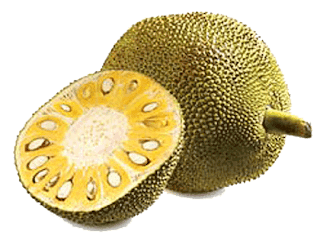
In filipino, “halo” means “mix” and therefore the name of the recipe in this post would be “mix-mix” in English. This Filipino treat is easy to prepare and good to have on a hot day. Some of the ingredients of an authentic halo-halo may be hard to find in Spain, although they can sometimes be found in glass bottles in Chinese supermarkets. But among the ingredients that are easier to find are custard, crème caramel, bits of mango, melon balls, cherries, sweet red beans and chickpeas, sugared fruit, caramelized rice or rice crispies, bits of fruit-flavored gelatin or some of those soft, gummy candies kids eat.

The first thing you need is a small bowl or glass fluted cup. You have to put a spoonful or a teaspoonful of the ingredients listed above. You must also keep adding shaved ice to the mix. Next add condensed and evaporated milk. You can also add coconut milk. To top it all, a scoop of vanilla ice cream. The purple ice cream in some of the photos isn´t made of violets. It´s purple yam ice cream, delicious and colourful and we might publish how it is made one of these days because it can be made at home.


En filipino, “halo” significa mezcla, y por lo tanto el nombre de la receta de esta entrada sería en español “mezcla-mezcla”. Este dulce filipino es fácil de preparar y bueno para refrescarse en un día caluroso. Algunos de los ingredientes de un auténtico halo-halo como el macapuno (coco mutante) ube (ñame o boniato morado) y la langka (fruta jaca o jackfruit) son todavía difíciles de conseguir en España, aunque a veces se encuentran confitados en botes de cristal en los supermercados chinos. Pero entre los ingredientes que son más fáciles de conseguir están el flan, las natillas, trocitos de mango, bolitas de melón, cerezas, guindas, garbanzos y judías rojas dulces y cocidos, fruta confitada, arroz inflado caramelizado como el de los cereales del desayuno, cuadraditos de gelatina de colores o algunas cuches tipo gominola pero muy blanditas.
Lo primero que hace falta es un bol pequeño o una copa tipo flauta. Hay que ir echando una cucharada o cucharadita de los ingredientes indicados arriba. También se va echando de poquito en poquito hielo picado. Todo esto se rocía con leche condensada y leche evaporada. También se puede echar leche de coco. Encima de todo va una bola de helado, generalmente de vainilla. El helado morado que se ve en algunas de las fotos del postre no es helado de violetas, sino helado de boniato morado. Está muy bueno y da mucho colorido al postre, puede que un día publiquemos la receta, porque se puede hacer en casa.

Above, different versions of halo-halo, sometimes the ingredients are set on a table and diners can serve themselves.
/ Arriba, distintas versiones de halo-halo. A veces los ingredientes se colocan en una mesa y los comensales se sirven lo que más les apetece.

Macapuno / Macapuno (coco mutante)


Above, jackfruit / Arriba, jaca

Below, purple yam / Debajo, boniato morado


We found all the photos on the Internet / Encontramos todas las fotos en Internet.

Sunday, 13 December 2009

It´s the shortest day again... / Es el día más corto otra vez...


Last year we told you about St. Lucy, whose feastday is the shortest day and has the longest night of the year. A few days ago one of the teachers of our department had his first grandchild. Her name is Lucia. We wish her a very happy first nameday. Of course, she´s too little to eat Lussekatter but she may enjoy making these buns when she is older. They are Scandinavian but can be made with saffron from La Mancha.
El año pasado os contamos cosas de Santa Lucia, cuyo santo es el día más corto del año y tiene la noche más larga. Hace unos días uno de los miembros de nuestro departamento tuvo su primera nieta. Se llama Lucía. La deseamos un primer santo muy feliz. Claro que es demasiado pequeña para tomar Lussekatter, pero puede que algún día disfrute preparando estos panecillos que son escandinavos pero pueden hacerse con azafrán manchego.

Lussekatter

Ingredients:

1/4 teaspoon La Mancha saffron threads
1 cup milk1 tablespoon yeast
1/2 cup sugar
4 ounces butter
5 cups flour
1 teaspoon salt
2 large beaten eggs
1 beaten egg white
Break down saffron threads by pounding with a mortar and a pestle.
Heat milk until lukewarm in a small saucepan.
Mix yeast with 1/4 cup milk and 1 tablespoon sugar. Set aside.
Melt butter on low heat in the saucepan with milk. Add the crushed saffron and let cool.
In a large bowl, mix flour, salt and remaining sugar.
Stir yeast into cooled milk mixture and then mix this with the dry ingredients, beating to mix well. Add the two beaten eggs.
Knead in bowl for 5-7 minutes.
Turn onto floured board and knead another 7-8 minutes.
Put dough in a lightly greased bowl, turn to coat all sides, and put in a warm, draft-free place to it can rise, which should take about an hour.
When the dough has risen, knead lightly to push out air and divide into small pieces about 10-12 inches in size. With your hands, roll each small piece into a strip about ten to eight inches long and shape into an "S" or an "8".
Place the "S" or "8" figures on lightly greased cookie sheet. Cover with a clean cloth and let them rise until they are twice as big as they were. It should take about one and a half hours.
Preheat oven to 375ºF. When the figures have risen, brush lightly with the beaten egg white. Bake in the 375º F preheated oven until brown. This usally takes about fifteen minutes. When done, cool on a rack.

Lussekatter
Ingredientes:
1/4 cucharadita de té hebras de azafrán manchego.
1 taza de leche
1 cucharada de levadura
1/2 taza de azucar
4 onzas de mantequilla (suele ser una barrita)
5 tazas de harina
1 cucharadita de té de sal
2 huevos batidos
la clara batida de un huevo
Machacar las hebras de azafrán en un almirez.
En una cazuela pequeña, calentar la leche hasta que esté templada.
Mezclar la levadura con un cuarto de taza de la leche y una cucharada del azucar. Guardar aparte.
Derretir la mantequilla a fuego lento en la cazuela con la leche.
Añadir el azafrán triturado.
Dejar que se enfríe.
En un bol grande mezclar la harina, la sal y el resto del azucar.
Añadir la levadura a la mezcla leche ya fría y luego mezclar esta con los ingredientes secos del bol grande, batiendo para que quede todo bien mezclado.
Añadir los dos huevos batidos.
Amasar en el bol 5-7 minutos.
Volcar en una tabla pintada con un poco de harina y amasar ahí durante otros 7-8 minutos.
Poner la masa en un bol ligeramente forrado de mantequilla. Dar vueltas a la masa para que quede toda la bola pintada de mantequilla por fuera.
Cubrir y colocar en un lugar cálido, donde no haya corrientes. Dejar ahí aproximadamente una hora para que suba la levadura.
Cuando la masa se haya alzado, amasar suavemente para sacar el aire y dividir en tiras pequeñas de 11-12 pulgadas. Con las manos formar tiras de 8-10 pulgadas y dar forma de "S" o de "8" a estas.
Colocar en una bandeja para hornear galletas ligeramente engrasada con mantequilla.
Cubrir con una tela limpia y volver a dejar que suba la levadura hasta que las figuras de "S" u "8" se vuelvan el doble de grandes de lo que eran. Suele tardar hora y media.
Precalentar el horno a 375ºF. Cuando las figuras hayan doblado su tamaño, pintarlas ligeramente con la clara de huevo batida. Hornear en el horno precalentado a 375ºF hasta que se vuelvan de un tono marrón dorado o hasta que se vea que están hechas. Suele tardar 15 minutos. Enfriar en parrilla


Labels

Advent Calendar/Calendario de adviento (25) Animal rights / Derechos de los Animales (7) Art / Arte (17) Astronomy / Astronomía (9) Australia /Australia (2) Authors (30) Birthdays / Cumpleaños (36) Carnival / Carnaval (5) Christmas / Navidad (37) Compositions / Redacciones (15) Condolences / Condolencias (7) Constitutionalism / Constitucionalismo (4) Contests / Concursos (2) Coronations/Coronaciones (1) Ecology / Ecología (3) Extracurricular Activities / Actividades Extraescolares (9) Feng Shui (8) Field Trips (1) Films / Películas (8) Games/Juegos (3) Geography / Geografía (4) Ghosts / Fantasmas (14) Grammar to Get by / Gramática para apañarse (67) Halloween / Noche de Ánimas (32) Health / Salud (3) History / Historia (43) Human Rights / Derechos Humanos (13) Inventions / Inventos (1) Ireland / Irlanda (10) Laws / Leyes (5) Legends / Leyendas (54) Listening / Escuchar (32) London / Londres (5) Maths / Matemáticas (5) Memes/Memes (2) Messages / Mensajes (8) Mini Calendar / Mini Calendario (10) Mini Mythology / Mini Mitología (82) Mini Zodiac / Mini Zodiaco (12) Mr. Eddy / El Señorito Eddy (5) Music / Música (112) Needn´t Be Lost Causes / Causas No Necesariamente Perdidas (4) News / Noticias (25) Novels (7) Nursery Rhymes / Rimas para niños (19) Obituaries / Obituarios (6) Other Animals / Otros Animales (7) People/Gente (48) Plants / Plantas (12) Poems / Poesías (101) Poets/ Poetas (51) Precious and the Air / Preciosa y el Aire (4) Recipes / Recetas (21) Recommended Reading / Lecturas Recomendadas (34) Recommended TV series / Series de televisión recomendadas (1) Saints / Santos (23) Sayings and Saws and Proverbs and Quotes and Maxims / Dichos y refranes y proverbios y citas y máximas (12) Science / Ciencias (5) Scotland / Escocia (12) Scotland /Escocia (1) Shopping and gifts / Compras y regalos (8) Short Texts to Read / Breves textos que leer (33) Songs / Canciones (127) Speaking / Hablar (17) Special Days / Días Especiales (117) Sports / Deportes (9) Story report / ficha de un cuento (25) Tales of a Minced Forest/Cuentos del Bosque Triturado (167) Toora Chronicles / Crónicas Toora (245) Trailers (11) Valentine´s Day / Día de San Valentín (11) Vocabulary / Vocabulario (39) Wales / Gales (8) Winter /Invierno (2) Writing / Escribir (16)

Blogroll